

From Freshman Outreach to Cutting-Edge Heart Research: Grace’s Journey at CU Denver
EURēCA! scholar Grace Spillers opens up about her research journey and the mentorship that built her confidence.
Mar 20, 2026
Grace Spillers chose CU Denver for its strong research culture and quickly found her place studying how male and female heart cells respond to stress in Dr. Peña's lab at Anschutz. Read this student interview with Office of Undergraduate Research and Creative Activities (URCA) Student Assistant, Will Leary, to learn how Grace has grown in confidence with her lab work and as a presenter sharing her research at RaCAS each year and nationally last year. From emailing her mentor as a freshman to becoming a skilled researcher, Grace shows how taking the leap, especially by reaching out to faculty, is often the first step toward incredible opportunities.
Will: Thanks for sitting down talking with me, Grace. What brought you to CU Denver?
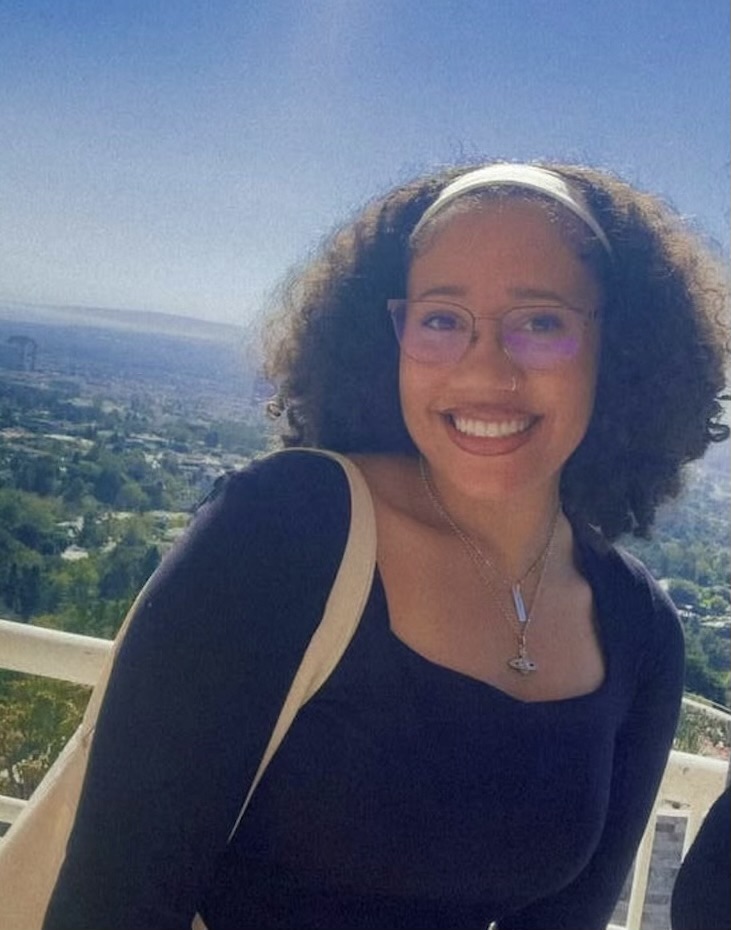
Grace: CU Denver caught my attention with the student body and the opportunities for research.
Will: How would you describe your research?
Grace: I study sex differences in heart cells with Dr. Peña on the Anschutz campus understanding how stress effects male versus female cells. We are really focused on bridging the gap of what we know about male versus female responses to heart failure. A lot of the research in the field is focused on male responses. Being able to study women's responses to heart failure and then eventually to the scope of racial differences is something we're really interested in and is definitely needed.
Will: I really appreciate the work that you and your lab are doing. What challenges have you faced?
Grace: In my first two years, juggling being on the Denver and Anschutz campuses was a bit difficult. Also, finding time to do research in the lab, which is something I really love, while also like staying on top of classes. I had to find a better balance for that.
Will: Totally, being able to adjust a lot is definitely a skill. Have you done any presentations for your research?
Grace: I went to the American Biomedical Research Conference for Minoritized Scientists (ABRCMS), a national conference held in Pittsburgh last year and I presented. I've also done the Research and Creative Activities Symposium (RaCAS) each year at CU Denver, which I think is a good jumping off point for new presenters. I think doing RaCAS really helped me prepare for ABRCMS when I went.
Will: I'm glad RaCAS was a great preparation experience, do you have any tips for new people presenting?
Grace: I get nervous when I do presentations. It's hard for me to talk in front of people, especially if they know more about my research than I do. But I would say usually people are not going to be as harsh as you think they might be, you are your own worst critic. I always tell myself, if they ask you a question that you don't know how to answer, that doesn't necessarily mean you don't know anything, it means maybe you weren't thinking about it from that perspective. I try to take it as more of a learning experience rather than being super overwhelmed.
Will: That's a great way to look at it! How did you find your current research mentor?
Grace: When I started my freshman year at CU Denver, I was a part of a scholarship cohort where they suggested we reach out to faculty doing research we might be interested in. I've always really wanted to focus my research on cardiomyopathies, and on the Anschutz website, I saw my current PI was doing that research. I just shot her an e-mail, we then did an interview on Zoom, and I started working there.
Will: That's great you reached out to your mentor and did the background work to know they had research related directly to what you wanted to do. How would you describe your current relationship with your mentor right now?
Grace: I got so lucky, Dr. Pena is very easy to work with and is super willing to work with students. She really loves mentoring; you can see that in the way that she runs her lab and interacts with the people in her lab. Looking back, it's a little crazy she took me my very first semester of my freshman year. I think it's so necessary to give students those opportunities to do research because now I feel really comfortable in the lab and have a lot of lab skills. My experience has overall been really amazing.
Will: That's fantastic. So, do you have any advice for students trying to be in the EURēCA! Program or looking for research right now?
Grace: Reaching out is the first step. It may seem a little bit scary, but most of the faculty are pretty approachable. Even if they're not looking for students, they can usually give you other labs or other PIs.
Will: That's great, thanks!
Looking to get started in research or present at RaCAS on Friday, April 24, 2026? URCA is here to help you take the leap!
- Learn about presenting at RaCAS, Abstracts Due March 20, 2026
- Come by Wednesday drop-in hours from 10 a.m. to noon
- Book 1-1 research advising by calling 303-315-4000 or in Handshake
- Attend upcoming events
- Subscribe to monthly URCA Newsletter