

Alert: Canvas Outage Update
Canvas access has been restored for our users, but the service reliability remains uncertain. Due to recent events, Canvas has had intermittent outages which are at the discretion of the vendor and may occur during a final exam. Faculty and staff may continue to use Canvas, but we strongly advise faculty and students to prepare a contingency plan for turning in assignments and final exams in the event Canvas access becomes unavailable again.
Instructure, the company that owns Canvas, has provided an FAQ about the incident, which may not answer all your questions. We will share more information if it becomes available.
Instructure, the company that owns Canvas, has provided an FAQ about the incident, which may not answer all your questions. We will share more information if it becomes available.
Learn More
Lynx Central
Health & Wellness
Restorative Justice
The purpose of Restorative Justice (RJ) is to identify opportunities to create community and repair any harms that occurred in a collaborative way. RJ takes a people-first approach and is not used to determine whether or not a policy was violated. Restorative Justice helps address the relationship between those that were impacted by harm, those that caused the harm, and the community that the harm occurred in. Student Conduct & Community Standards (SCCS) acknowledges three tiers of RJ:
Tier 1: Community Building
Tier 2: RJ Circle/RJ Conference
Tier 3: Reintegration
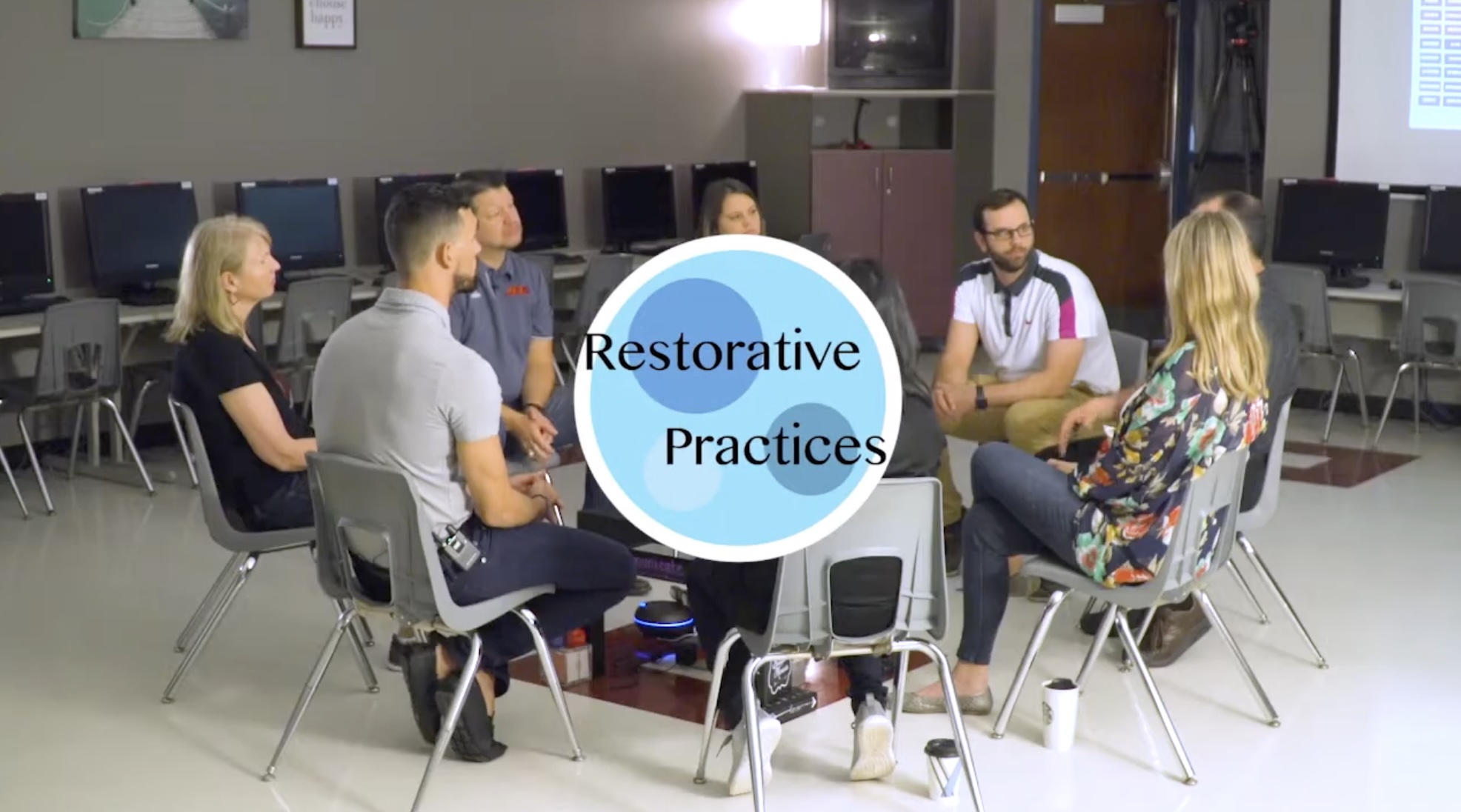
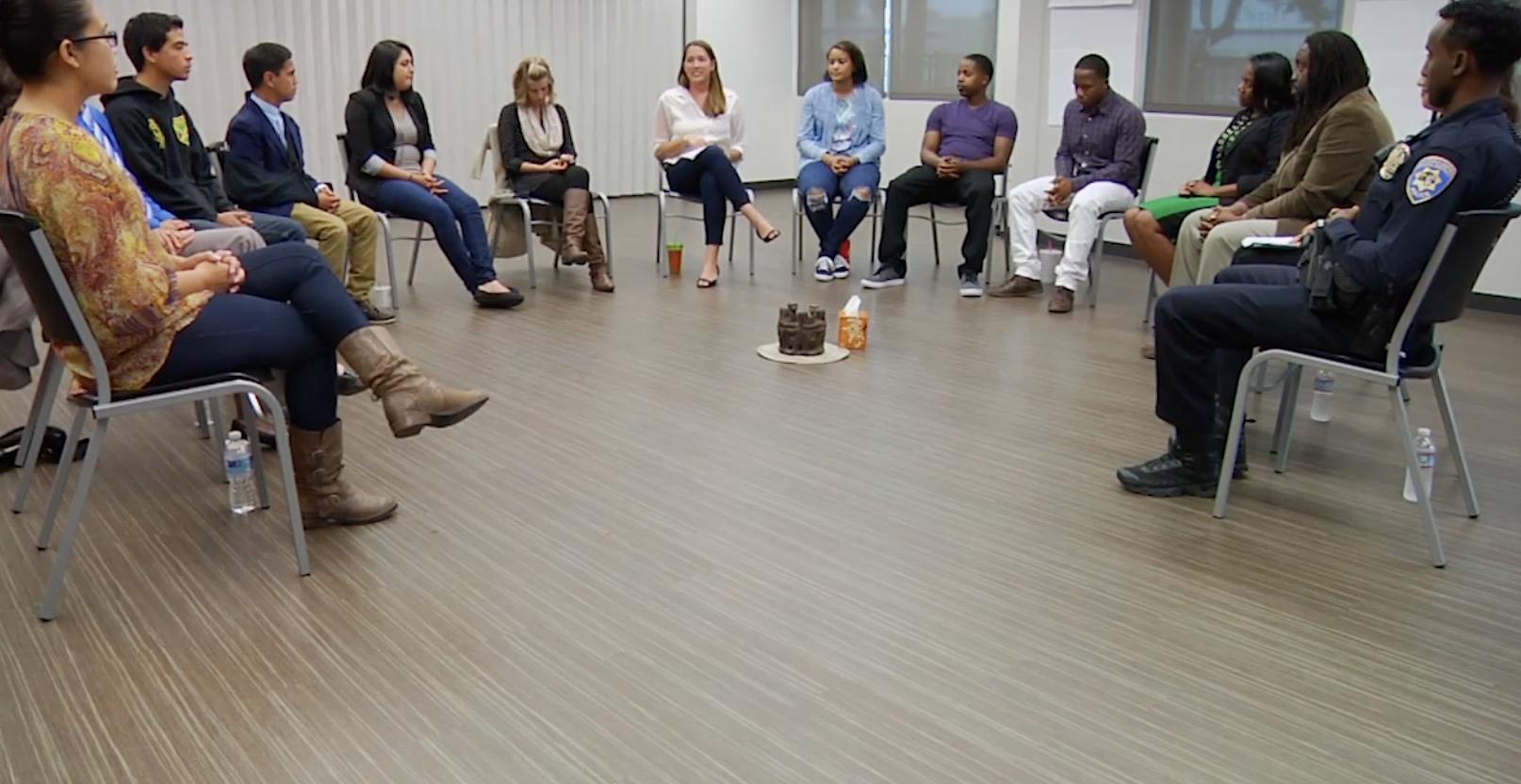
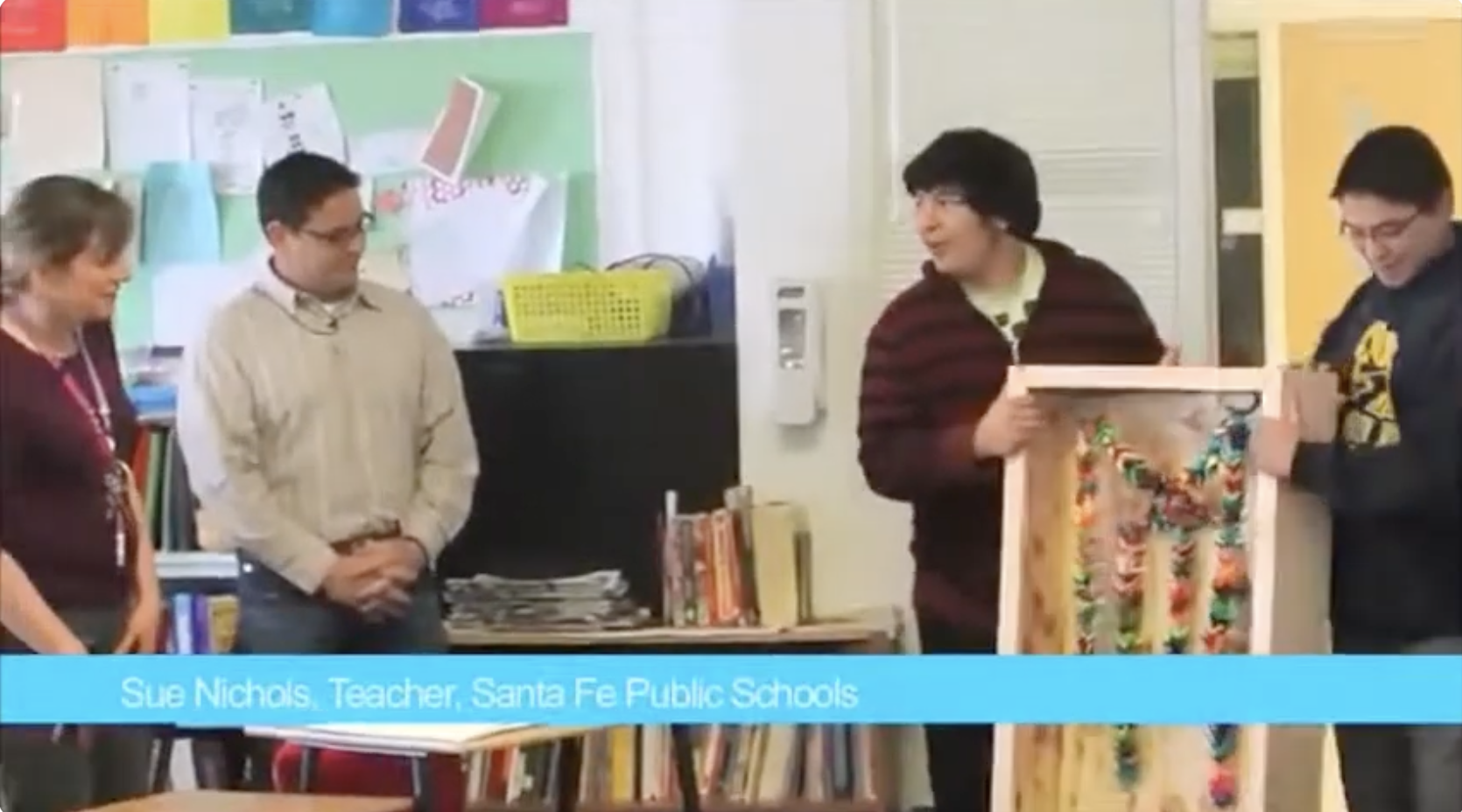
This video captures how multiple restorative practices (on various Tiers) can lead to a holistic resolution of a concern.
Tier 1: Community Building Circles
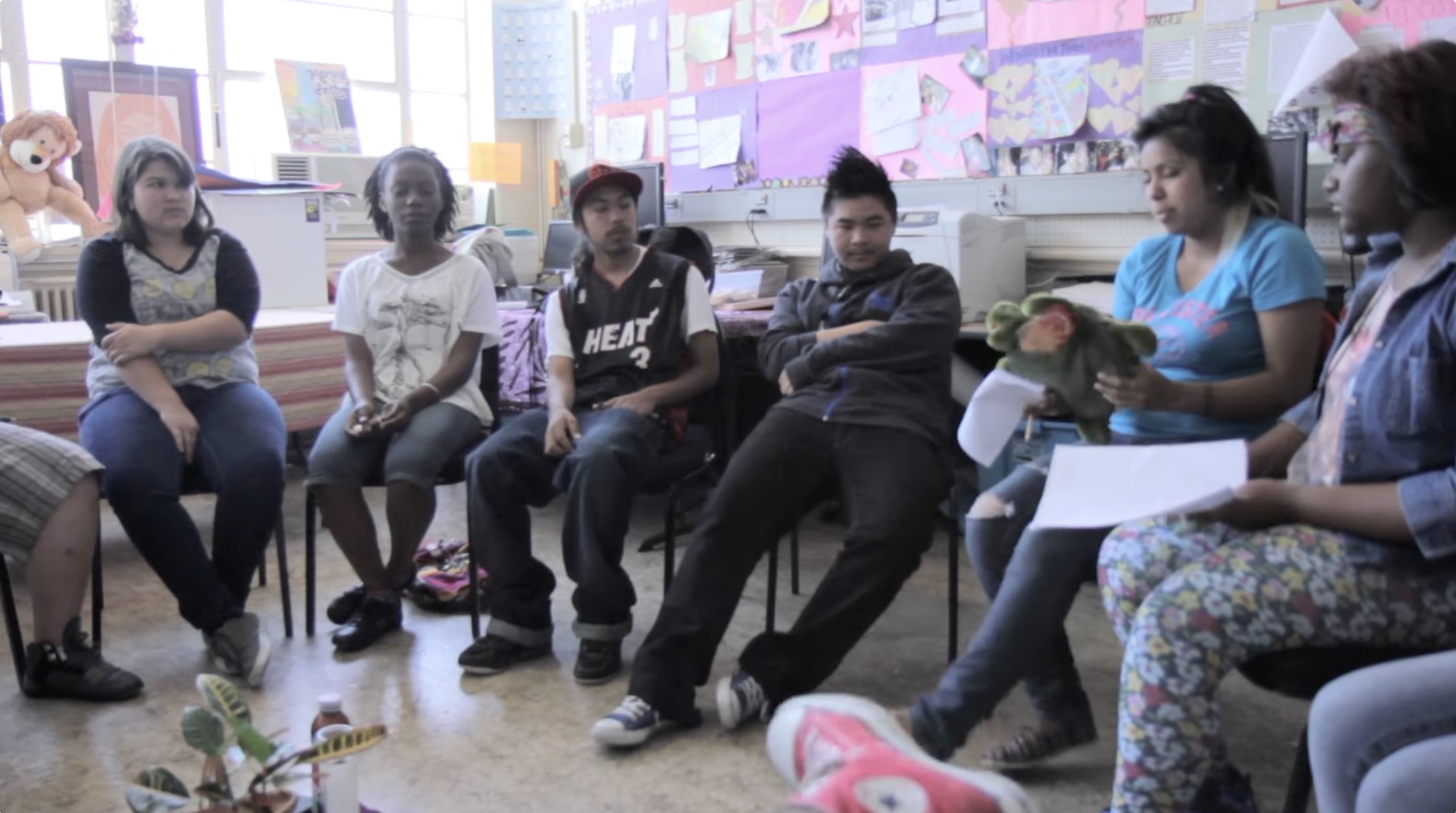
Participants are invited to respond to open-ended questions related to community building, curriculum, issues, support, or celebration. Engaging in a Community Building Circle creates a safe environment for people to be vulnerable and authentic in a non-hierarchical setting.
Tier 2: RJ Circle / RJ Conference
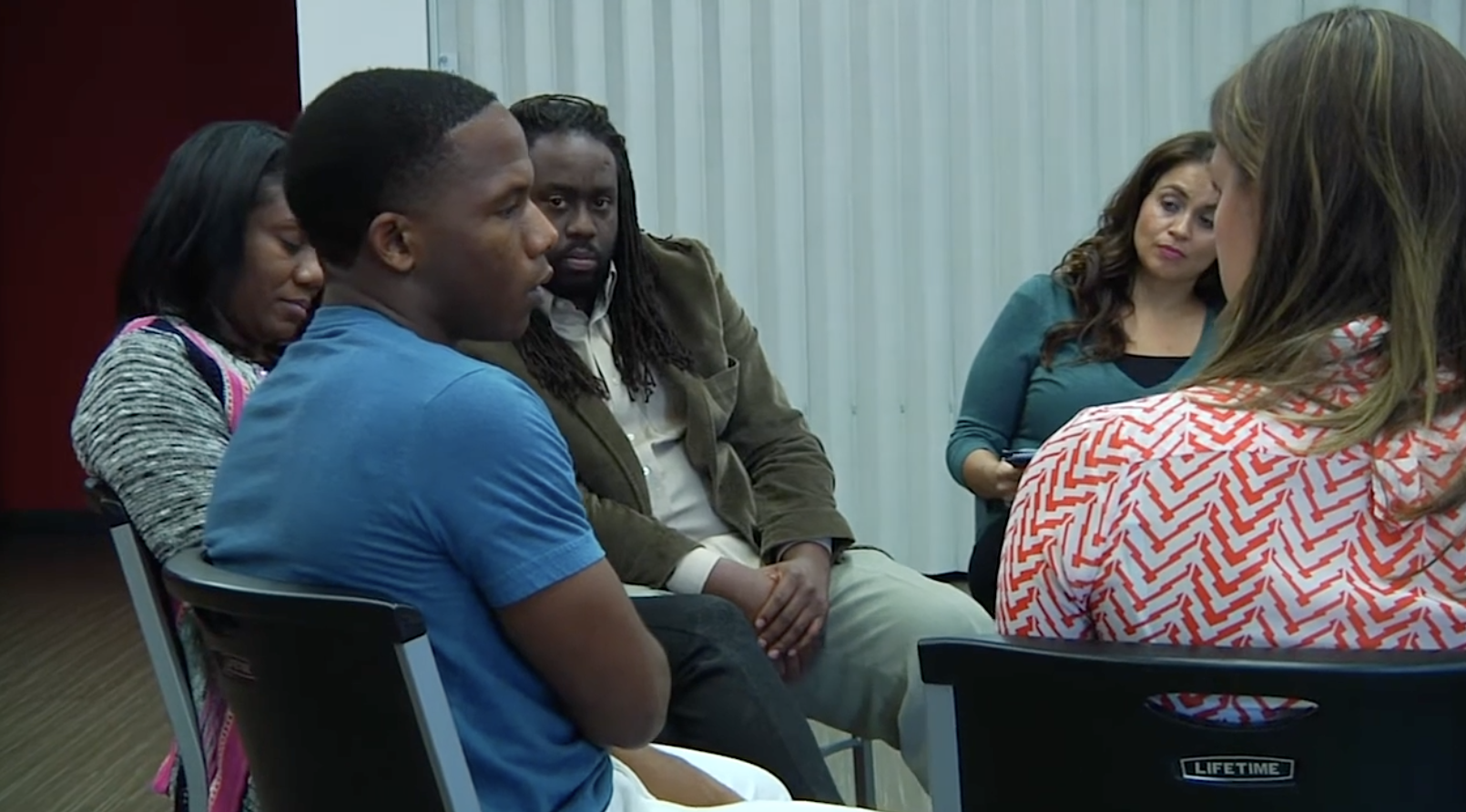
Participants voluntarily engage in the Circle process. The voices of those who caused harm and those who experienced harm are both valued in the Circle. A Circle is used to discuss, understand, and repair harm. Participants develop Repair Agreements to heal the identified harm and create a meaningful path forward.
The SCCS utilizes Tier 2 Circles most often.
| Traditional Discipline | Restorative Processes |
| The focus is on rules, blame, and punishment. | The focus is on relationships, respect, and responsibility. |
| Who broke the rule? | Who was involved and in what way? |
| What rule was broken? | Which relationships have been harmed? |
| What punishment does the offender deserve? | What do participants need, particularly those that were harmed? |
| The victim is not involved in deciding the outcome and does not have a say in the process. | Everyone that was impacted has an opportunity to heal and prevent future harm. |
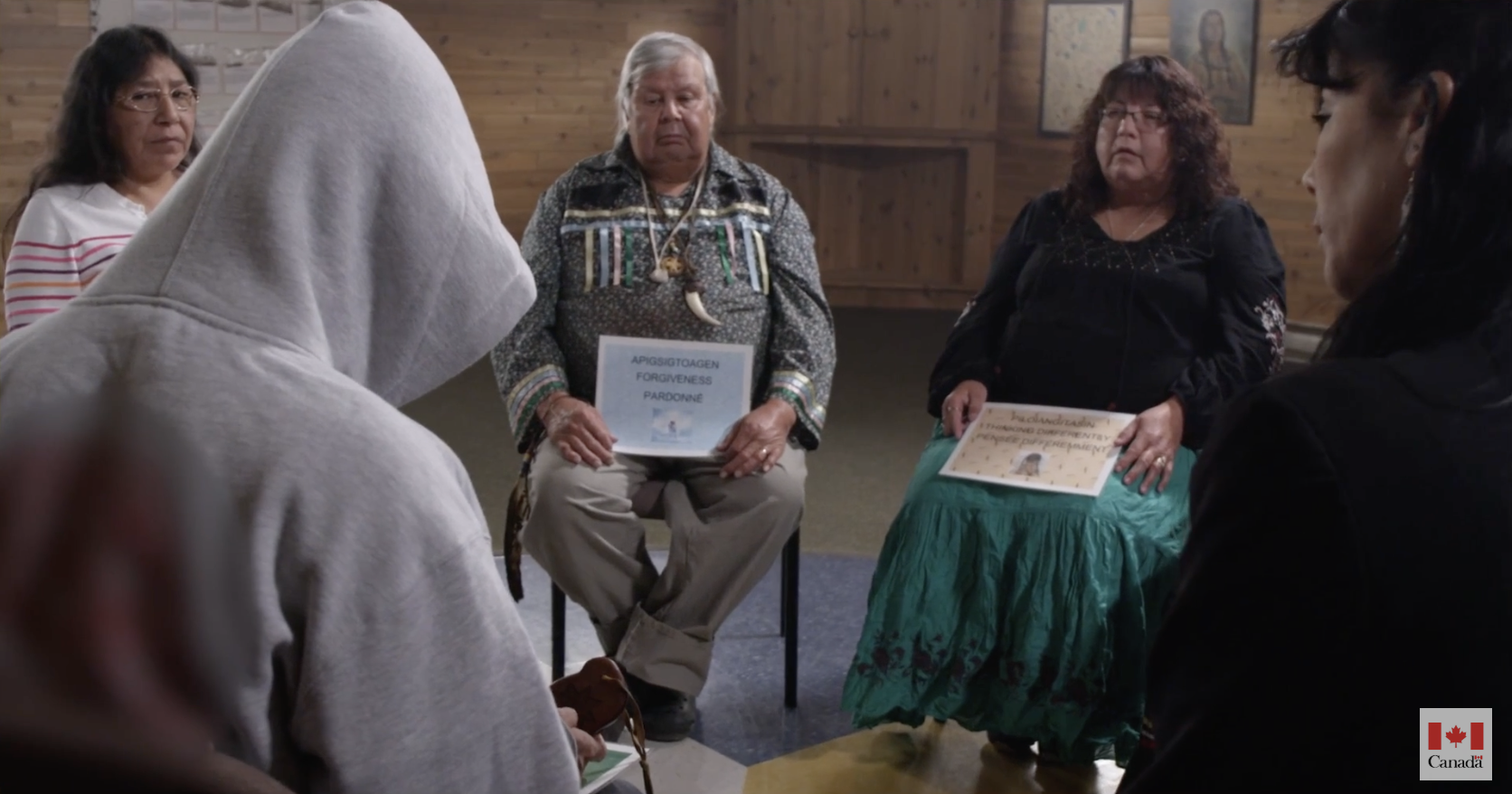
RJ Circles that bring together the (1) person that engaged in the harmful behavior, (2) those that experienced the harm, and (3) the community the harm occurred in require a great deal of preparation. Prior to the RJ Circle, participants will typically be asked to attend a pre-conference. These videos are an example of a pre-conference and a conference. Please be aware that the harms being addressed in this Circle are related to protected identities.
RJ in the SCCS
Students may be eligible to participate in a Restorative Justice process if they are:
(1) willing to accept responsibility for the violation by taking active accountability for their actions, acknowledging what they did and its impact on others, and show some degree of remorse
AND
(2) willing to repair any harm that was caused by completing the mutually agreed upon Repair Agreements and to make a commitment to not engaging in misconduct in the future
Tier 3: Reintegration Circle
After a removal or separation from a community, prior to the person returning to the community, they can engage in a Reintegration Circle (Tier 3). The purpose of this type of Circle is to acknowledge the work the individual did to repair harm, remove shame for the harm that was caused, and ensure they have the resources needed to be successful in the Community.