



CU Denver's faculty voted to pass a proposed structural update to CU Denver's core curriculum. More than 80% of eligible faculty who voted cast "yes" votes on the proposal, which has been based on a yearslong community-wide process detailed further throughout this page.
A supplemental faculty vote, on whether an existing requirement for a one-credit lab should be made optional, did not pass. You can read the April 29 announcement in full here. The CCOC is continuing the work of the Reimagining the Core working group.
As of June 2026, CCOC has been actively working alongside faculty, advisors, and relevant collaborators on the new core curriculum and implementation plan. This academic year (2026-2027) some regular responsibilities of the CCOC will be paused that which are listed below. We will continue to receive and review student petitions.
Paused CCOC Responsibilities for AY 26-27:
All paused responsibilities will resume AY 27-28
The CCOC has created three curricular and three operational subcommittees from existing voting and non-voting CCOC members. The intention of these subcommittees is to support the redesign and launch of the new core curriculum.
Curricular Subcommittees (comprised of faculty):
Operational Subcommittees (comprised of faculty, staff, ex-officio):
Updates for the ongoing new core curriculum work will be posted on the CCOC website. If you have any questions not answered by the website, or you're interested in knowing how to participate please reach out to us at [email protected].
The Core Curriculum is designed to provide each CU Denver undergraduate student with a high-quality general education, based on a liberal arts and sciences foundation. Core courses develop multiple literacies, stimulate critical thinking, expand sensitivity to diversity, and encourage students to understand their role in a rapidly changing global environment. The Core Curriculum Oversight Committee (CCOC), an elected body of faculty from each of the seven downtown schools and colleges, is responsible for implementing, maintaining, and coordinating these courses on behalf of the students and faculty. Leadership of the CCOC is supported by the Office of Academic Affairs. Meesh Peel serves as the CCOC program coordinator.
The CCOC meets during the academic year to review new course proposals, petitions, syllabi and to update curriculum resources. Petitions and questions can be sent to the CCOC mailbox. CCOC Chair Kirsten (Kris) Christensen reviews the received items, place them on the monthly CCOC agenda, and provide feedback to the requestor, on behalf of the CCOC. Instructors whose core courses are approved are asked to follow up with the Registrar’s Office on submitting gtPathways material. Students whose petitions are approved should follow up with their academic advisors to ensure that core credits are noted on their transcripts.
The CCOC welcomes and champions its mission in working with the university community towards integrating critical thinking, writing skills, other core learning outcomes, and high-impact practices into the core curriculum.
Third Friday of the month from 10:00 a.m. – Noon
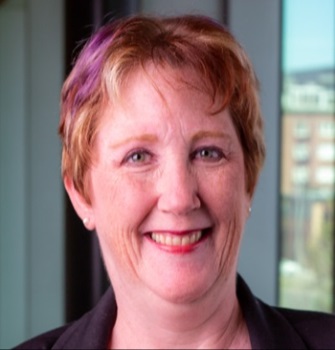
Kirsten (Kris) Christensen, M.S.S, M.U.R.P.
Chair, Core Curriculum Oversight Committee