2024-2025 Housing Contract
Available Now!
CU Denver Housing and Dining
Although CU Denver is located in the heart of the city, we've always operated with the needs of college students in mind. Whether you're looking for on-campus housing and dining close to classrooms or wish to explore other off-campus options in Denver, we've got the resources to help you find the perfect environment. Use this page to discover availability, schedule tours, learn about parking and transportation, or find student discounts to use around the city. Welcome home!
2024-2025 Housing Contracts Coming Soon
Our 2024-2025 Housing Contract is available now!.
New Feature
Roommate Matching:
Do you have specific Roommates you would like to live with?
Would you like to be able to find potential roommates?
Roommate matching is a new tool that allows you to create Roommate Groups in the Contracting Process. If you already know who you would like to live with, create a group for you and your roommates. If you are still trying to figure out who you would like to live with, this tool will allow you to see other students' profiles to create roommate groups. You will also have the ability to create a short Bio section to let others know a little more about yourself.
What does this do for me?
Lynx Crossing students will be able to ensure they can select a room with their entire group (maximum of 4 students). One student will be designated the Leader of the Roommate Group and will be able to place the entire group at once during Roommate Selection. These placements can be changed later.
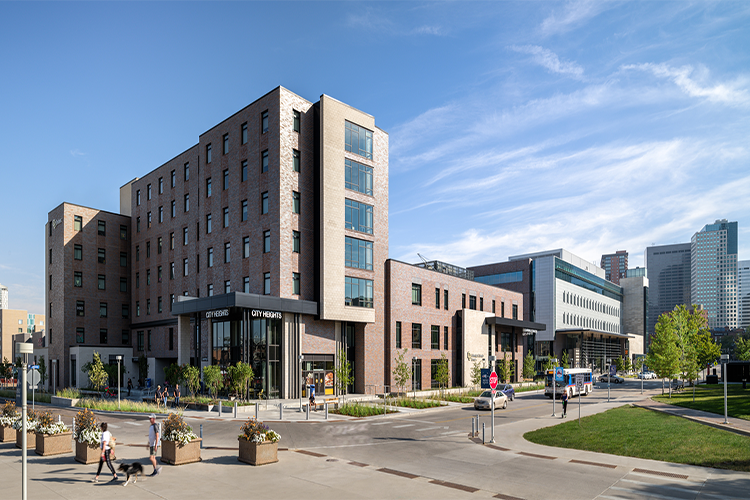
City Heights Students who are in Roommate Groups will get placed together when we do placement for our First Year Students (Maximum of 3 Students).
See our Roommate Matching Guide for more details.
Updated Feature
Gender Inclusive Housing:
Gender Inclusive Housing is an Opt-in Program available for our Students. By expressing your interest in Gender Inclusive Housing, you will be able to select roommate groups with other students, regardless of their gender identity. For those participating in Roommate Matching, you will only see other students who have opted into Gender Inclusive Housing.For those who are not interested in Gender Inclusive Housing, your contract will default to Gender Matched Housing, meaning you would only be matched with others with the same gender identity. Those participating in Roommate Matching would also only see others with Gender Matched Housing.
Spring 2024 Contracts Available Now!
Our Spring Contracting Process will be available at 9 a.m. on Tuesday, October 3rd. Newly contracted students will be able to move in starting Friday, January 12th. Room type availability is subject to change based on our current occupancy rates.