

-
CU at Cirque du Soleil ECHO
7/12/2025
-
Principles of Digital Accessibility
8/13/2025
-
Graduate New Student Orientation
8/15/2025
-
CU Night at the Rockies
8/15/2025
-
Enhancing the Digital Accessibility of Your Course With Anthology Ally
8/20/2025
-
CU Denver 2025 Block Party
8/21/2025
-
Addressing Digital Accessibility LIVE!- Effective Hyperlink Writing
8/26/2025
-
Enhancing the Digital Accessibility of Your Course With Anthology Ally
8/27/2025
-
Addressing Digital Accessibility LIVE!- Captions in the Classroom & Online
9/3/2025
Preparing leaders for government and nonprofits
Preparing leaders for government and nonprofits
Preparing leaders for government and nonprofits
Featured Events
Attend our events
We host a robust program of in-person, virtual, and hybrid events each year featuring distinguished practitioners, government and nonprofit leaders, media, and others. We hope you'll join us!
Featured News
-
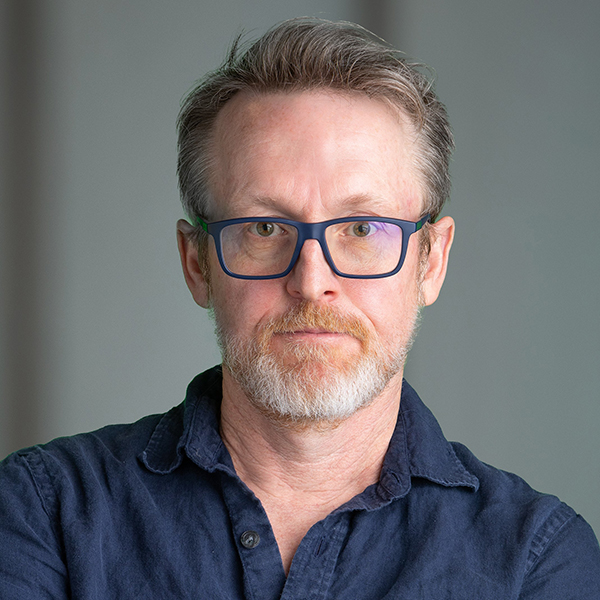
Distinguished Professor Chris Weible Named Interim Dean of the School of Public Affairs
Jun 27, 2025 byThe University of Colorado Denver School of Public Affairs is pleased to announce the appointment of Distinguished Professor Chris Weible, PhD as Interim Dean, effective July 1, 2025.Full story -
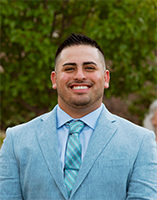
Q&A with BACJ '25 Alum Jan Arismendy Valderrama, Police Officer at University of Colorado Boulder Police Department
Jun 16, 2025 byIn this School of Public Affairs interview, recent graduate and transfer student Jan Arismendy Valderrama '25 shares his journey from Caracas, Venezuela, to CU Denver, where he pursued a Bachelor of Arts in Criminal Justice with a concentration in Law Enforcement and a minor in Public Administration. He discusses how his background in law enforcement, passion for public service, and drive for leadership in policy reform led him to CU Denver, and how faculty support and flexible programming helped him thrive. He also reflects on favorite professors, landing a full-time role with the CU Boulder Police Department, and advice for future students navigating nontraditional academic paths.Full story -
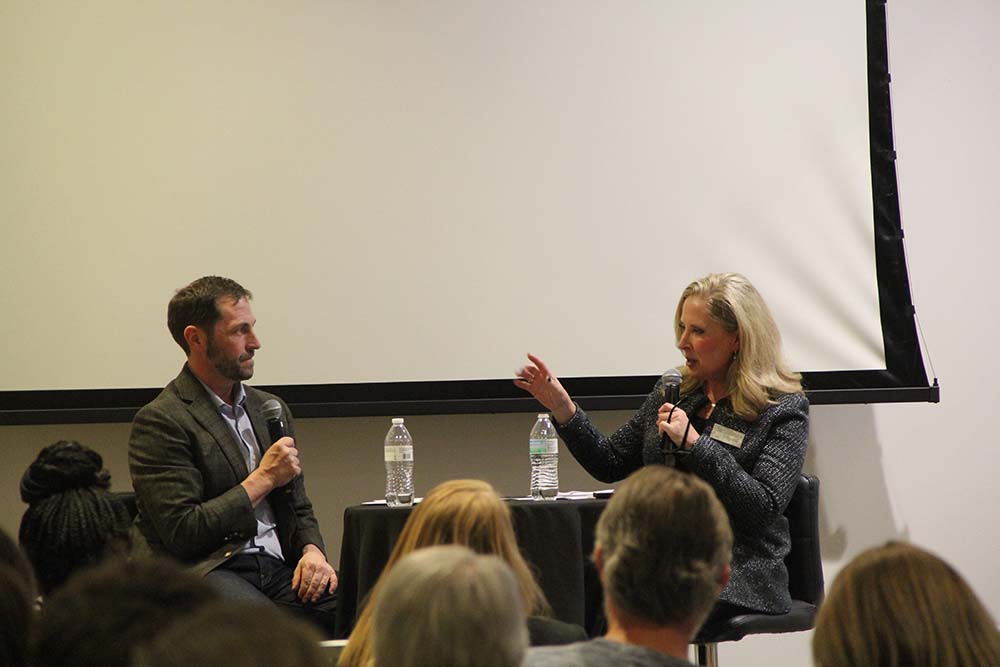
Politicizing Disaster Relief: A Conversation with Congressman Jason Crow about Resilience, Partisanship, and Climate-Related Disasters
Feb 25, 2025 byAs the recent crisis in Los Angles demonstrates, disaster preparedness and recovery are more salient issues than ever, and they are also more politicized. On January 30, 2025, Congressman Jason Crow (CO-6) joined Center for Community Safety and Resilience (CCSR) and CU Denver’s School of Public Affairs to discuss the unprecedented level of politicization regarding disaster relief funding in Congress.Full story -
.jpg?sfvrsn=c4be44b4_1 "Lindsay-Abramson-intern-feature-(1)")
SPA Undergraduate Internship Highlight with BACJ major Lindsay Abramson
Dec 2, 2024Bachelor of Arts in Criminal Justice major Lindsay Abramson shares experience as a student at CU Denver and as an intern with Auraria Police Department.Full story -
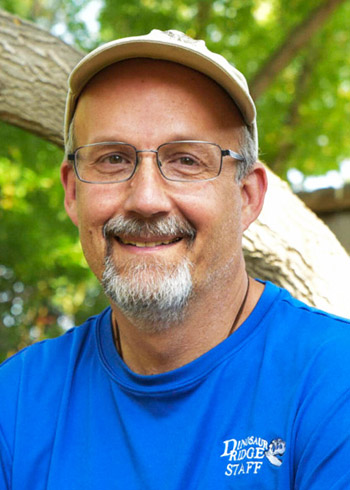
Six Questions for DCLF ’08 Alum Jeff Lamontagne, Executive Director at Dinosaur Ridge
Dec 2, 2024 byJeff Lamontagne is the Executive Director of Dinosaur Ridge, where he has served since 2017. Over the past 22 years, Jeff has led three nonprofit organizations in the Denver Metro area, beginning with Second Wind Fund, which he co-founded in response to a local high school suicide crisis. He also served as Executive Director of Bluff Lake Nature Center and has been involved with five boards during his career.Full story
Lead. Solve. Change.
Public affairs topics are at the center of almost every national debate.
From education policy to affordable housing, criminal justice reform to energy independence, these issues affect our neighborhoods, our cities and our society as a whole. To move forward and find solutions, the country needs leaders and collaborators with in-depth knowledge and a long-term vision.
Determined to make a difference in your community?
As Colorado’s top school for public affairs, public administration and criminal justice, CU Denver School of Public Affairs is a great place to start.

NEW: U.S. News & World Report
2025-2026 Best Graduate Schools rankings
#1 - Best Public Affairs Program in Colorado (#27 in USA)
#1 - Environmental Policy & Management in Colorado (#10 in USA)
#1 - Nonprofit Management in Colorado (#18 in USA)
#1 - Public Finance & Budgeting in Colorado (#19 in USA)
#1 - Public Management & Leadership in Colorado (#19 in USA)
#2 - Online Graduate Criminal Justice Programs in Colorado (#19 in USA)
Request Program Information
Learn more about our Bachelor of Arts in Criminal Justice and Bachelor of Arts in Public Administration programs.
Request information
Learn more about our Master of Criminal Justice, Master of Public Administration, Master of Public Policy, Doctor of Philosophy in Public Affairs, and graduate certificate programs.
Request information
Application Deadlines
Bachelor's programs: Visit the Office of Admissions website.
Master's programs: August 1*
Doctoral program: February 1*
Certificate programs: August 1
*Fall admission only for Accelerated MPA and PhD in Public Affairs.
View admission requirements and application instructions
Bachelor's programs: Visit the Office of Admissions website.
Master's programs: December 15*
Certificate programs: December 15
*Fall admission only for Accelerated MPA and PhD in Public Affairs.
View admission requirements and application instructions
Bachelor's programs: Visit the Office of Admissions website
Master's programs: May 1*
Certificate programs: June 7
*Fall admission only for Accelerated MPA and PhD in Public Affairs.
View admission requirements and application instructions