
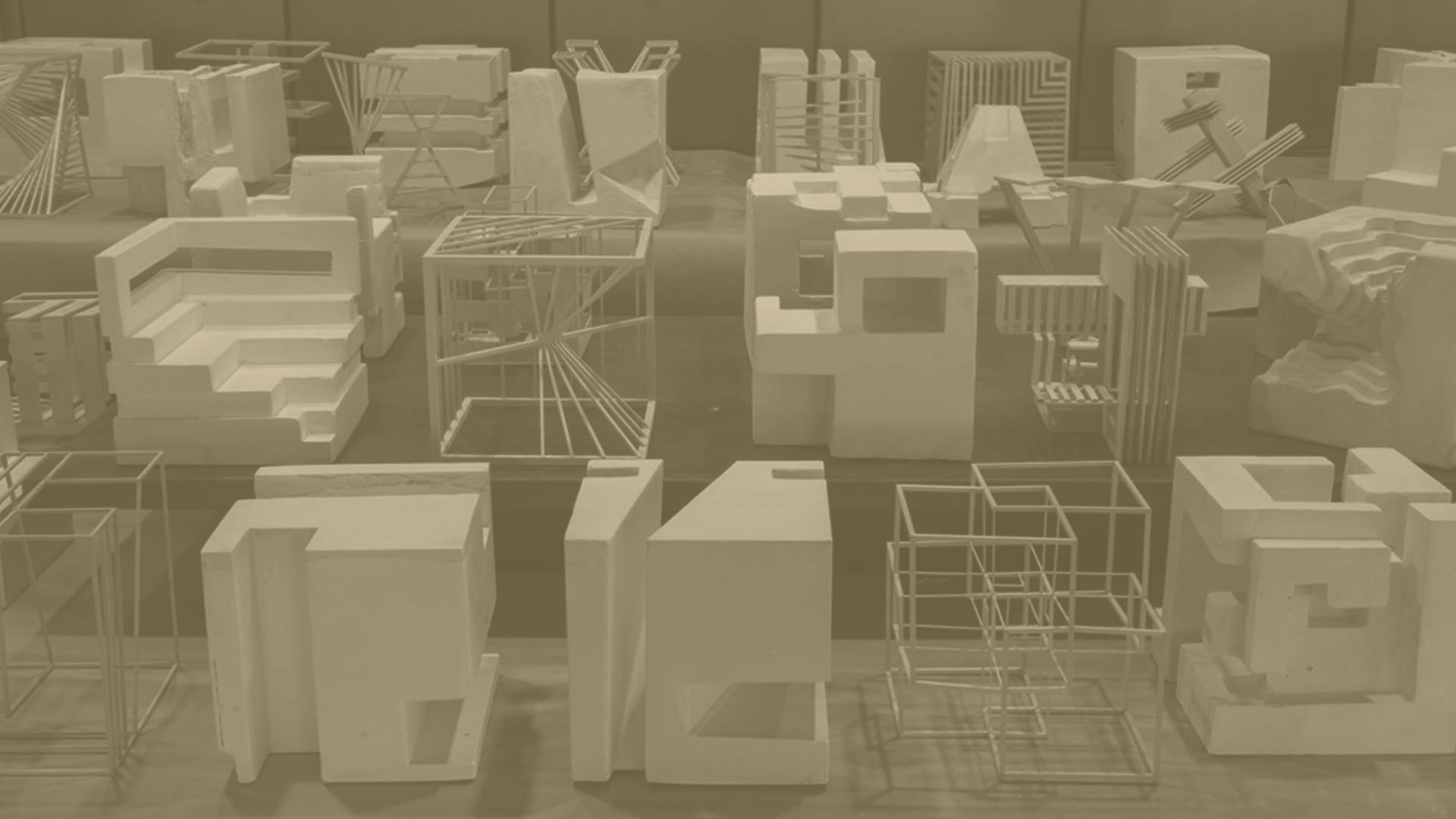
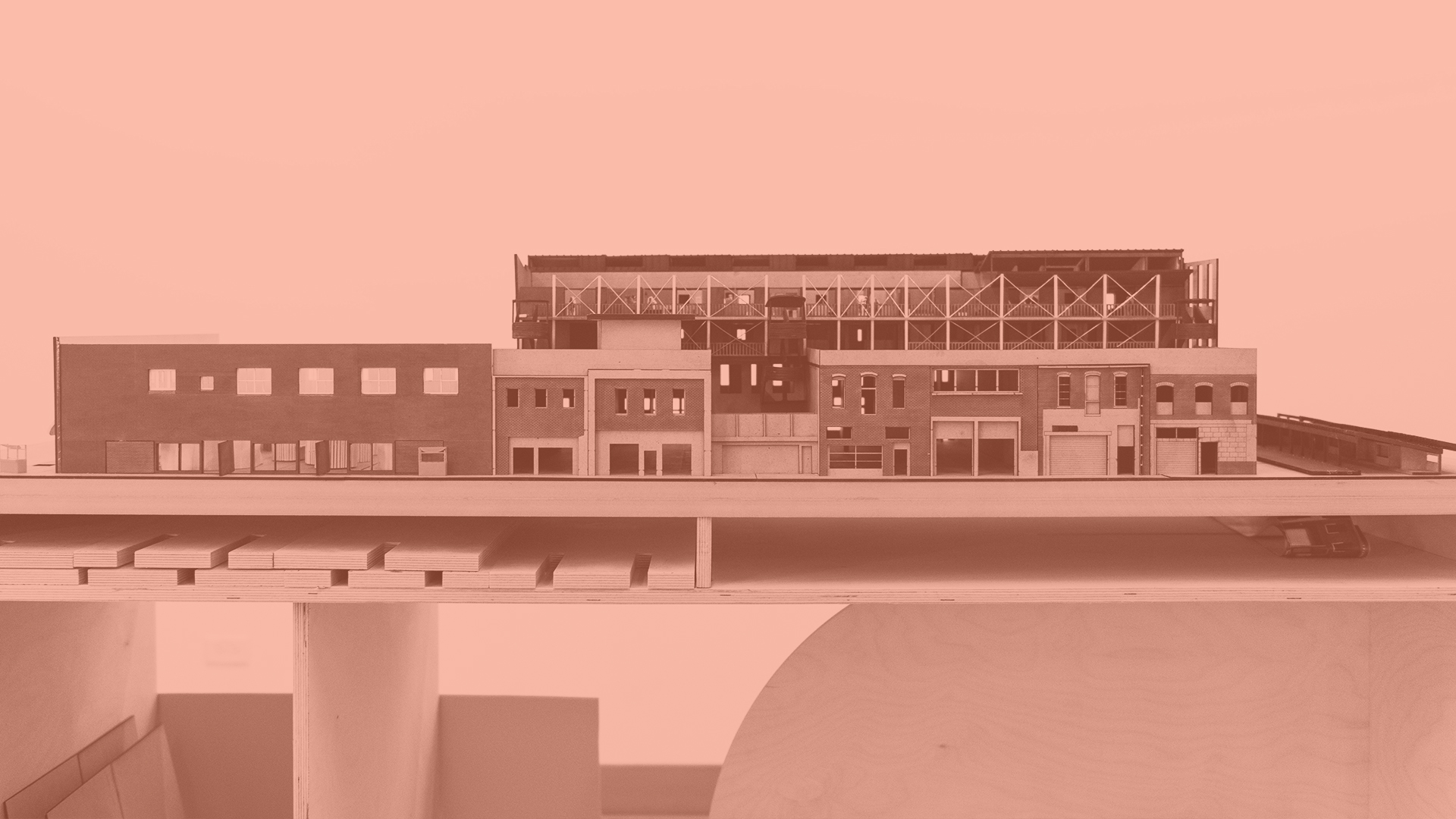
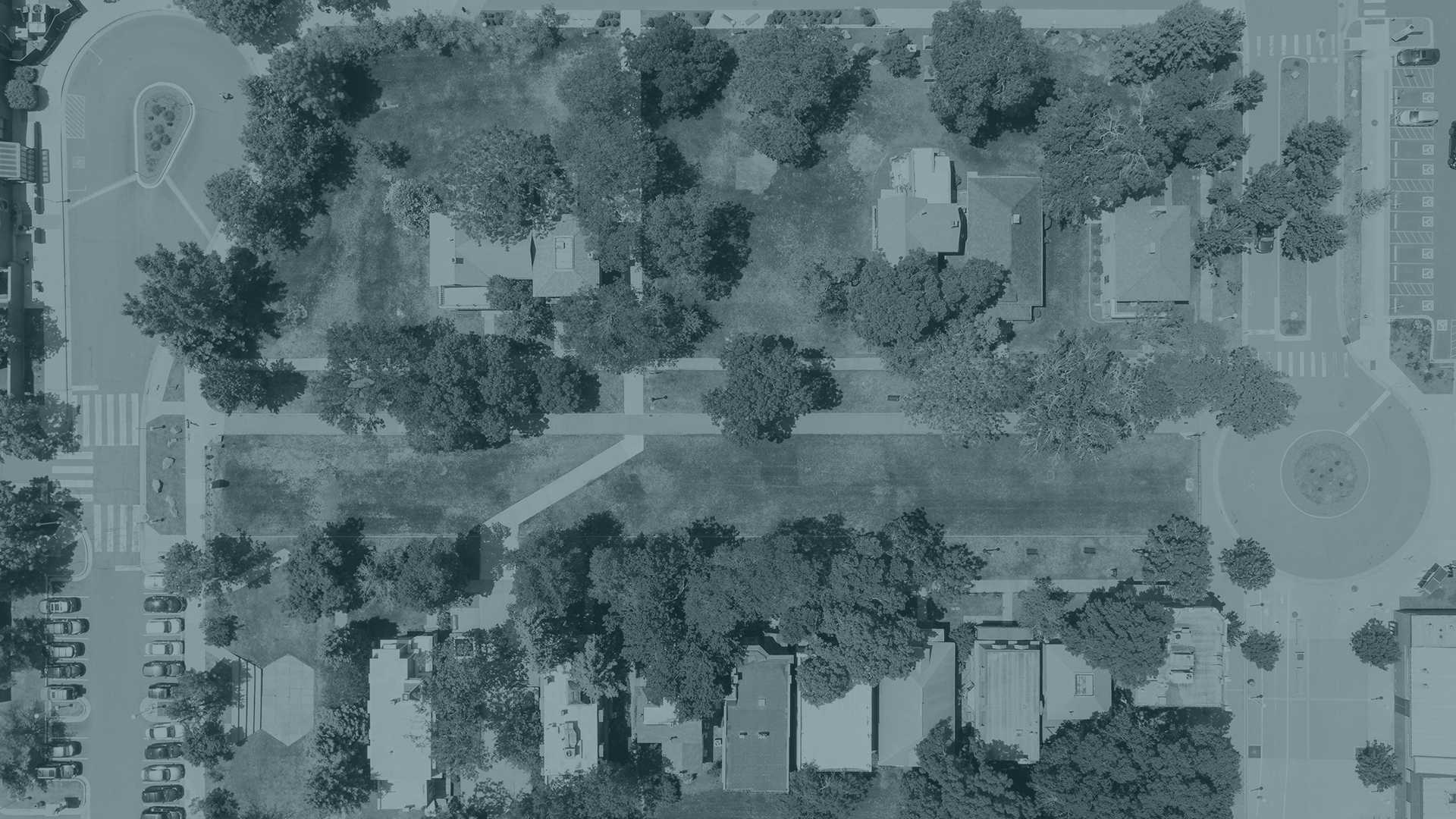
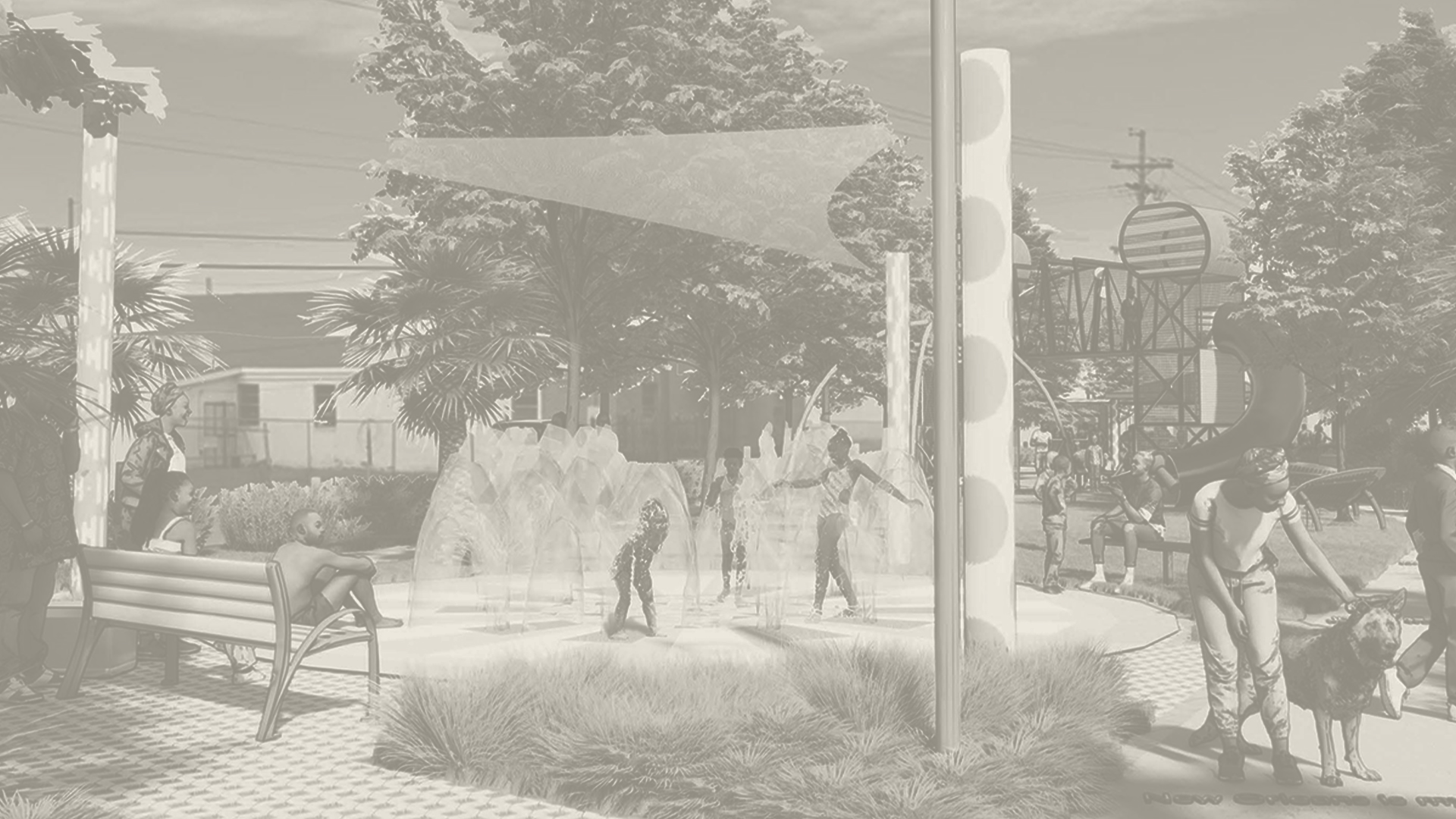
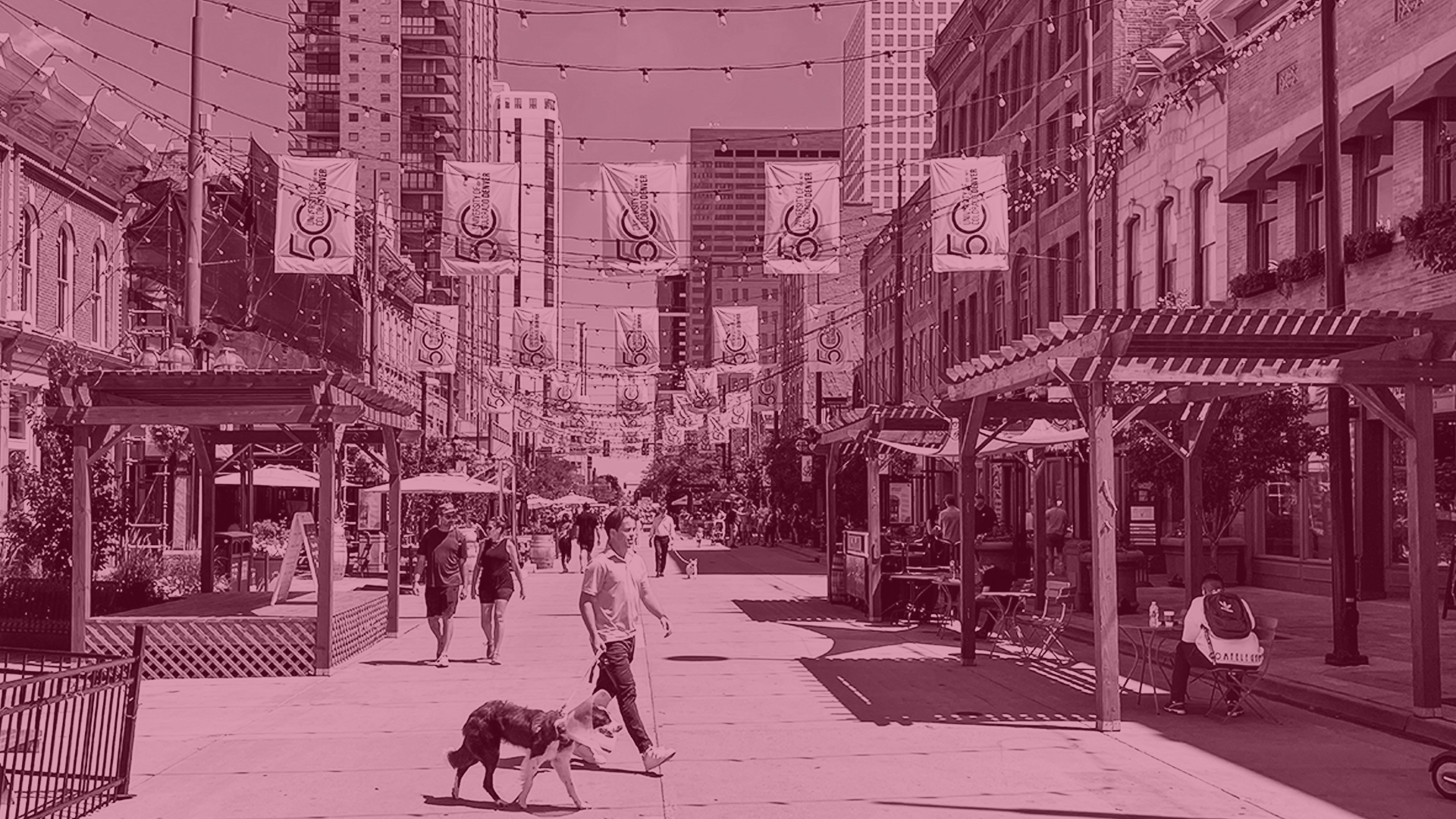
The Urban Place Making concentration addresses the interrelations between physical design, urban morphology, land use regulations, and other forces such as market trends, regional policies shaping the urban environment and their impacts on quality of life. Curriculum in this concentration emphasizes form-based planning.
Some of the learning outcomes include:
- Ability to communicate physical design with an audience by public speech / Listening / Accommodating: Public workshop skills / Participation techniques / Consensus building / Graphics / PowerPoint / GIS / SketchUp / Community Wiz
- Understanding the impacts of engineering and public works standards on physical environment: Traffic / Fire / Storm and sanitary / Public works
- A working knowledge and understanding of the impacts of market forces on physical environment: Real estate planning, Market analysis, Private/public partnership models
For information on the UPM Concentration, contact the Concentration Coordinator: Dr. Jeremy Németh, jeremy.nemeth@ucdenver.edu or (303) 556-3688.
Urban Place Making Curriculum
This concentration aims at providing you with a special kind of expertise that combines design thinking and land use planning. The goal is to produce planners who can effectively guide the physical form of urban development to serve the functional and social needs of an increasingly diverse public, while negotiating the realities and constraints of the real estate market and economic development goals of cities and communities.
Foundation Courses (9 Credits):
| Course Number |
Course Title |
Credits |
| URP 6633 |
Urban Form Theory |
3 |
| URP 6635 |
City Building |
3 |
| URP 6637 |
Comprehensive Planning |
3 |
Specializations Within the Concentration (6 Credits)
If you elect the UPM Concentration, you may chose from available specializations that are aligned with certificate programs. Currently, these include one option--Historic Preservation. However, a Healthy Communities specialization is currently under development.
Other specializations are shown below. If you are interested in Project Development and Planning, you may also consider pursuing a dual degree with the School of Business.
In consultation with the Concentration Coordinator, select a minimum of two courses from one of the specialization areas described below. You may also construct your own specializations, in consultation with the Concentration Coordinator.
Urban Design
| Course Number |
Course Title |
Credits |
| LA 6632 |
Site Planning |
3 |
| UD 6610 |
Infrastructure Studio |
6 |
| UD 6611 |
Regulatory Studio |
6 |
| UD 6612 |
Urban Synthesis Studio |
6 |
| UD 6640 |
History of the City |
3 |
| UD 6641 |
Design Process/Practice |
3 |
| UD 6642 |
Design Policy/Regulation |
3 |
Historic Preservation
| Course Number |
Course Title |
Credits |
| URP 6634 |
Preservation Theory and Practice |
3 |
| URP 6686/Hist5660 |
Colorado Historical Places |
3 |
Transportation
| Course Number |
Course Title |
Credits |
| URP 6673 |
Transportation Planning I |
3 |
| URP 6674 |
Transportation Planning II |
3 |
Project Development and Planning
| Course Number |
Course Title |
Credits |
| URP 6660 |
Real Estate Development |
3 |
| URP 6661 |
Real Estate Development Finance |
3 |
| URP 6665 |
Urban Market Analysis |
3 |
| P AD 5060 |
Public Finance |
3 |
| P AD 5625 |
Local Government Management |
3 |
| OPMG 6800 |
Project Management |
3 |
Community Design, CYE
| Course Number |
Course Title |
Credits |
| URP 6676 |
Urban Housing |
3 |
| URP 6642 |
Neighborhood Planning |
3 |
| URP 6640 |
Community Development Process |
3 |
| URP 6686 |
Health & Development across the life span |
3 |
| URP 6686 |
Methods in Community Development |
3 |
Updated 6/9/09