About Us
Today, our faculty researchers are finding ways to ensure that emerging biopharmaceuticals are effective and safe so patients can survive or manage otherwise deadly diseases; developing vaccines that can be distributed to countries where refrigeration is nonexistent; and exploring how botanicals can help prevent cancer.
But we’re not just in laboratories; we’re in the community.
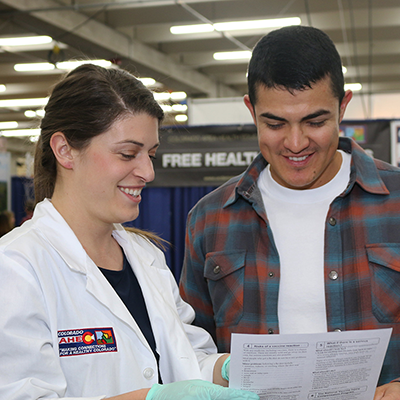
Students and faculty have donated thousands of hours annually to Denver and the state of Colorado. Our students are getting hands-on experience in clinics for the underserved with free screenings and prescriptions. Our alumni are serving as preceptors to students and spearheading programs to prevent medication errors, a significant cause of death in this country.
I’m proud of these achievements and so many others: proud of our standing as one of the best pharmacy schools in the country; proud that we’re nationally recognized for NIH funding; and proud that our school’s students and faculty are so diverse and contribute to the health and well-being of the communities in which we live.
Welcome to the Skaggs School of Pharmacy and Pharmaceutical Sciences.
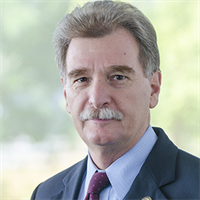
— Dean Ralph Altiere