

Sections
The strength of the Department of Pediatrics rests in part on the broad range of our subspecialty sections, related programs and our affiliates – Children's Hospital Colorado , the Barbara Davis Center for Diabetes and Denver Health.
Twenty-two pediatric sections and a diversity of specialized programs span the range from basic research to world-class clinical care. And because many of our faculty are both clinical practitioners and researchers, delivery of care regularly takes the latest medical advances directly into practice.
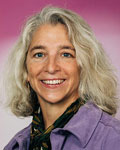
Section Head
Diane Straub, MD, MPH
Professor of Pediatrics and Head,
Section of Adolescent Medicine
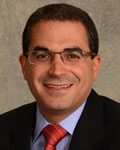
Section Head
David Fleischer, MD
Professor of Pediatrics and Head,
Section of Allergy and Immunology
Director, Allergy and Immunology Center
Children's Hospital Colorado
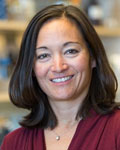
Section Head
Shelley Miyamoto, MD
Professor of Pediatrics and Head,
Section of Cardiology
Co-Director, Heart Institute,
Children's Hospital Colorado

Section Head
Kathryn Wells, MD
Professor of Pediatrics and Head,
Section of Child Abuse and Neglect,
The Kempe Center

Section Head
Kevin Ess, MD, PhD
Visiting Professor of Pediatrics and Head,
Section of Neurology
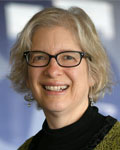
(Interim) Section Head
Eva Nozik, MD
Professor of Pediatrics and Interim Head,
Section of Critical Care Medicine

Section Head
Bruce Appel, PhD
Professor of Pediatrics and Head,
Section of Developmental Biology
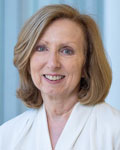
Section Head
Ann Reynolds, MD
Professor of Pediatrics and Head,
Section of Developmental Pediatrics
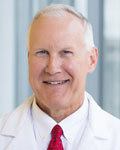
Section Head
Mark Roback, MD
Professor of Pediatrics and Head,
Section of Emergency Medicine
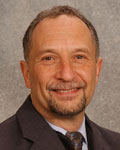
Section Head
Philip Zeitler, MD, PhD
Professor of Pediatrics and Head,
Section of Endocrinology
Medical Director,
Clinical and Translational Research Center,
Children's Hospital Colorado

Section Head
Glenn Furuta, MD
Professor of Pediatrics and Head,
Section of Gastroenterology, Hepatology and Nutrition
Section Head,
Digestive Health Institute,
Director,
Gastrointestinal Eosinophilic Diseases Program,
Children's Hospital Colorado

Section Head
Christopher Stille, MD, MPH
Professor of Pediatrics and Head,
Section of General Academic Pediatrics

Section Head
Shawn McCandless, MD
Professor of Pediatrics and Head,
Section of Genetics and Metabolism
Chair, Department of Genetics and Metabolism,
Children's Hospital Colorado
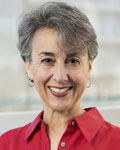
Section Head
Lia Gore, MD
Professor of Pediatrics and Head,
Section of Hematology, Oncology and Bone Marrow Transplantation
Co-Director, Developmental Therapeutics Program,
University of Colorado Cancer Center
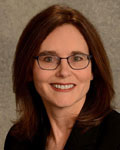
Section Head
Elizabeth McFarland, MD
Professor of Pediatrics and Head,
Section of Infectious Diseases
Medical Director,
Children's Hospital Colorado HIV Program and
Pediatric Infectious Disease Outpatient Clinic,
Children's Hospital Colorado

Section Head
Randy Wilkening, MD
Professor of Pediatrics and Head,
Section of Neonatology
Vice Chair for Clinical Practice
Chair, Clinical Practice Committee
Associate Vice Chair, Research Affairs,
Perinatal Research

Section Head
Bradley Dixon, MD
Associate Professor of Pediatrics and Head,
Section of Nephrology
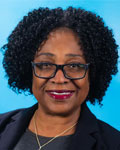
Section Head
Ihuoma Eneli, MD, MS
Visiting Professor of Pediatrics and Head,
Section of Nutrition
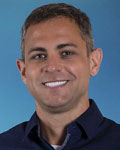
Section Head
Adam Hill, MD
Associate Professor of Pediatrics and Head,
Section of Palliative Medicine
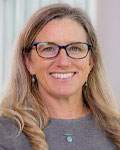
Section Head
Jenny Reese, MD
Professor of Pediatrics and Head,
Section of Pediatric Hospital Medicine,
Vice Chair for Faculty Well-being,
Department of Pediatrics
Assistant Dean of Faculty Well-being,
CU School of Medicine
Medical Director, Provider Well-being,
Children's Hospital Colorado

Section Head
Robin Deterding, MD
Professor of Pediatrics and Head,
Section of Pulmonary and Sleep Medicine
Director, Breathing Institute,
Children's Hospital Colorado
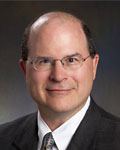
Section Head
Robert Fuhlbrigge, MD, PhD
Professor of Pediatrics and Head,
Section of Rheumatology