|
Patient Care
Goals: Residents will
· develop expertise in history taking and the neurologic examination of patients with acute stroke
· perform a complete interval history and neurological examination daily, follow up of diagnostics tests for all stroke service patients and document findings in a daily progress note
· understand the clinical approach to the patient with stroke, including: localization of the problem within the nervous system, formulation of differential diagnosis, and an efficient workup for the most likely diagnosis
· become familiar with indications for diagnostic studies, including: CT/CTA scanning, MRI/MRA scanning, angiography, carotid doppler ultrasound, etc
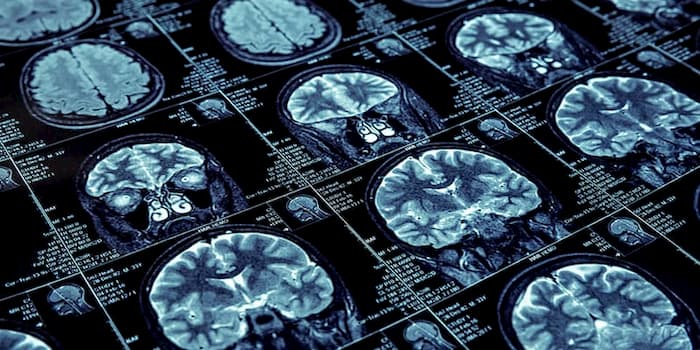
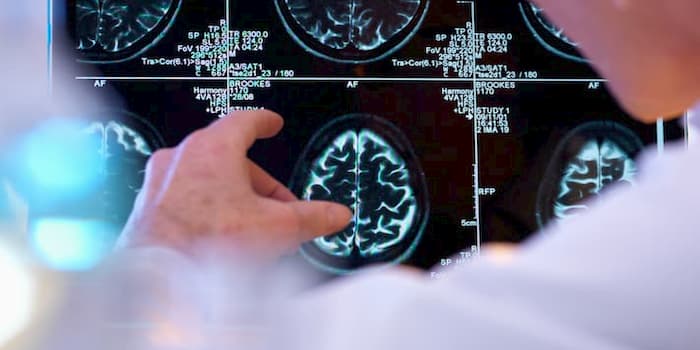
· learn the basics of evaluating CT and MRI scans and other neuroradiology films
· learn to document pertinent information in appropriate stroke admission and discharge notes, and document compliance with JCAHO required Primary stroke center
· learn to use Stroke admission and Discharge order sets
- develop expertise in the management of patients with stroke and related cerebrovascular diseases
- provide consultation service to the medical, surgical, obstetric and gynecologic, pediatric, rehabilitation medicine, and psychiatry services
- be involved in the management of patients with stroke who require emergency and intensive care
- Complete all discharge paperwork, including Stroke Discharge order sets, and dictate a discharge summary on all patients discharged from the Stroke Service.
· Discharge summaries should include:
– The admission and discharge dates.
– The Stroke Alert date(s), if applicable.
– If the discharge diagnosis includes acute cerebral ischemia (ischemic stroke or TIA), whether or not the patient received acute stroke treatment (IV tPA, IA thrombolysis, and or IA mechanical embolectomy), including complications of treatment if any; if no acute treatment, why not (i.e. symptoms complete resolved, out of appropriate treatment window, recent major surgery, etc.)
– A list of admission diagnoses.
– A list of discharge diagnoses.
– A list of all operations and procedures during the hospitalization.
– A list of consultations during the hospitalization, including a brief discussion of the consulting services opinion(s) and recommendation(s).
– A list of diagnostic and pertinent laboratory test(s) and results.
* Pertinent laboratory tests, whether positive or negative, are those that support the discharge diagnoses and/or are important for subsequent patient management.
– A succinct HPI including pertinent ROS, PMH, SH, and FMH
– A complete admission examination minimally including cardiac examination, pulmonary examination, carotid examination, and complete neurological examination.
– A succinct narrative of the patient’s hospital course, including changes in examination, especially the neurological examination, during the hospitalization.
– A list of test results needing follow-up as an outpatient.
– A list of all discharge medications.
– Disposition and follow-up plans.
Residents must be able to provide patient care that is compassionate, appropriate, and effective for the treatment of health problems and the promotion of health. Residents are expected to demonstrate proficiency in problem solving, clinical reasoning and technical skills applicable to the practice of evidence-based medicine. These proficiencies include appropriate use of biomedical information for decision-making; demonstrate caring and respective behavior in interactions with patients and their families, including counseling and education. Residents will be able to work effectively with healthcare professional, including those from other disciplines in order to develop and implement management plans.
Competencies: Residents will
- Attend NICU rounds daily, M-F, and briefly present the progress of Stroke Service patients in the NICU, except on days when the Stroke Resident has continuity clinic and the third Friday of the month when the Multidisciplinary Stroke Education Conference is held
· Attend all half-day Stroke Clinics each week, except when post-call or they have continuity clinic that day.
· Stroke Clinics are Monday, Tuesday, and Friday afternoons starting promptly at 1:00 PM.
· When the Stroke Resident is attending Stroke Clinic, the Stroke Alert Page will be handed-off to and Stroke Alerts will be covered by one of the other Neurology Residents on-service at UCH.
- have practical experience in obtaining an orderly and detailed history from the patient, in conducting a thorough general and neurological examination, and in organizing and recording data
- present patient cases and their diagnostic and therapeutic plans
- have training that includes the indications for and limitations of clinical neurodiagnostic tests and their interpretation
- begin to learn to correlate the information derived from neurodiagnostic studies with the clinical history and examination in formulating a differential diagnosis and management plan
- have close interaction with the neurosurgery service in the appropriate circumstance
- learn the basic principles of rehabilitation for stroke
- have experience in neuroimaging that ensures a familiarity with and knowledge of all relevant diagnostic and interventional studies necessary to correlate findings with other clinical information for the care of patients - at a minimum this must include magnetic resonance imaging, and computerized tomography and neurosonology
- receive instruction in appropriate and compassionate methods of end-of-life palliative care, including adequate pain relief and psychosocial support and counseling for patients and family members about these issues
- have opportunities for increasing responsibility and professional maturation
- participate in night call
- have faculty supervision with daily faculty rounds and review of all patients seen on inpatient consultation, the neurology inpatient service, and the emergency room
- will receive instruction on recognition and management of physical, sexual, and emotional abuse (where appropriate)
Objectives:
Accurately perform and document complete and focused histories and physical examinations with a special emphasis on the neurological examination that are based on the pathophysiology of presenting complaints, and that address relevant psychosocial and family issues.
Identify and prioritize patients' problems, formulate appropriate differential diagnoses, and develop appropriate plans for treatment and/or management.
Perform complete and focused case presentations that are accurate and well organized; prepare and maintain complete, accurate, well-organized medical records.
Perform selected diagnostic and therapeutic procedures including, but not limited to lumbar puncture, mental status testing, and EEG interpretation.
Residents should demonstrate interpersonal, oral and written communication skills that enable them to establish and maintain effective professional relationships with patients, families and other members of healthcare teams.
Medical Knowledge
Goals: Residents will
- demonstrate knowledge of established and evolving biomedical, clinical, epidemiological, and social-behavioral sciences, as well as the application of this knowledge to the care of patients with cerebrovascular disorders
- be expected to demonstrate their knowledge of core concepts of pathophysiology, clinical presentations, localization, clinic-anatomical correlations and main differential diagnosis of cerebrovascular disorders (this includes disease pathogenesis and treatment as well as health maintenance, disease prevention, and an understanding of the broad range of factors that impact the origin and progression of disease)
Competencies: Residents will
- attend NICU rounds daily
- attend and lead the Multidisciplinary Stroke Education Conference the third Friday of each month from 7:00 AM – 8:30 AM.
- The Stroke Resident is expected to coordinate case selection and presentation.
- Neuroradiology and/or Interventional Neuroradiology will present radiographic findings, tests, and interventions.
- As appropriate, Internal Medicine, Emergency Medicine, PM&R, Neurosurgery, and/or others may present pertinent information.
- Two – three cases will be presented at each monthly conference.
- Conference cases must be selected and sent to Linda Friedman or Dr. Jones at least one week prior to the conference date. The conference case list will be distributed to all attendees no less than 4 days prior to the conference date.
- receive instruction in the principles of bioethics and in the provision of appropriate and cost-effective evaluation and treatment for patients with neurological disorders when specific situations arise
- begin a reading program of functional neuroantatomy, clinical neurology and current literature
Objectives
Demonstrate knowledge of the scientific principles that underlie the current understanding of stroke and related cerebrovascular disorders. Apply these principles in the discussion of health maintenance and in the evaluation and management of patients.
Demonstrate an understanding of the cultural, ethnic, and societal beliefs and behaviors that influence a patient’s response to health and disease.
Demonstrate knowledge of common neurological problems and differences across age, gender, and other groups.
Demonstrate an understanding of the scientific basis and appropriate interpretation of common diagnostic methods including computerized axial tomography, magnetic resonance imaging, Doppler studies, catheter angiography, electroencephalography, and lumbar puncture.
Demonstrate an understanding of medical-legal responsibilities and how they relate to the duty and ability to act within the legal parameters, including abiding by those duties to protect and respect patient confidentiality.
Demonstrate knowledge of the theories and principles that govern ethical decision-making for patients with diseases of the central and peripheral nervous system and how these apply to major ethical dilemmas in medicine.
Practice- Based Learning and Improvement
Goal: Residents will
- demonstrate the ability to investigate and evaluate their care of patients, to appraise and assimilate scientific evidence, and to continuously improve patient care based on constant self-evaluation and life long learning
- be expected to develop skills and habits for self-directed and life-long learning, incorporating the practice of evidence-based medicine
Competencies: Residents will
- identify strengths, deficiencies and limits in one’s knowledge and expertise
- locate, appraise and assimilate evidence from scientific studies related to their patients’ health problems
- use information technology to optimize learning
- participate in the education of patients, families, students, residents and other health professionals
- teach other residents, medical students, nurses, and other health care personnel, formally and informally
Objectives
Recognize the need to engage in lifelong learning to stay abreast of medical and other scientific advances.
Locate, evaluate and apply information for solving problems and making decisions that are relevant to the care of individuals and populations.
Use evidence-based approaches to decide whether to accept new findings, therapies and technologies for incorporation into medical practice.
Systems Based Practice
Goals: Residents will
- demonstrate an awareness of and responsiveness to the larger context and system of health care, as well as the ability to call effectively on other resources in the system to provide optimal health care
- be expected to demonstrate the understanding of patient care and the interaction with the patient, family, and healthcare team in the context of the healthcare system (this includes and appreciation of issues of referral, confidentiality and the delivery of cost-effective health care)
Competencies: Resident will be expected to
- work effectively in various health care delivery settings and systems relevant to their clinical specialty
- coordinate patient care within the health care system relevant to their clinical specialty
- incorporate considerations of cost awareness and risk-benefit analysis in patient care
- advocate for quality patient care and optimal patient care systems
- work in interprofessional teams to enhance patient safety and improve patient care quality
- participate in identifying systems errors and in implementing potential systems solutions
Objectives
Identify and prioritize patients' problems, formulate appropriate differential diagnoses, and develop cost-effective diagnostic plans as well as evidence-based plans for treatment and/or management.
Demonstrate an understanding of medical-legal responsibilities and how they relate to the duty and ability to act within the legal parameters, including abiding by those duties to protect and respect patient confidentiality.
Demonstrate an appreciation of the overall care of the patient with an understanding of the interaction of primary care and specialty care. This includes the roles and responsibilities of the various members of the healthcare team.
Professionalism
Goal: Residents will
- demonstrate a commitment to carrying out professional responsibilities and an adherence to ethical principles
- be expected to demonstrate the highest standards of professional integrity and exemplary behavior, as reflected by a commitment to continuous professional development, ethical practice, and an understanding of and sensitivity to diversity (this includes a responsible attitude toward patients and their families, health care professionals and other staff members)
Competencies: Residents will
- show compassion, integrity, and respect for others
- be responsive to patient needs that supersedes self-interest
- respect for patient privacy and autonomy
- be expected to be show sensitivity and responsiveness to a diverse patient population, including but not limited to diversity in gender, age, culture, race, religion, disabilities, and sexual orientation
Objectives
Act in an ethically responsible manner, displaying integrity, honesty, and appropriate boundaries with patients, their families, patients' representatives, and fellow health care professionals.
Demonstrate an understanding of and respect for cultural differences in communication with and management of patients
Balance one’s own needs and values with one’s professional responsibilities towards patients and recognize the limits of one’s knowledge, skills, and behavior through self-reflection and seek to overcome those limits.
Demonstrate the ability to protect patient’s privacy in discussions, medical records, and interactions with other health care professionals.
Interpersonal and Communication Skills
Goal: Residents will
- demonstrate interpersonal and communication skills that result in the effective exchange of information and teaming with patients, their families, and professional associates
- be expected to demonstrate interpersonal, oral and written communication skills that enable them to establish and maintain effective professional relationships with patients, families and other members of healthcare teams
Competencies: Residents will
- communicate effectively with patients and families across a broad range of socioeconomic and cultural backgrounds
- communicate effectively with physicians, other health professionals, and health related agencies
- work effectively as a member of leader of a health care team or other professional group
- act in a consultative role to other physicians and health professionals
- maintain comprehensive, timely, and legible medical records
Objectives
Communicate effectively, both orally and in writing, with patients, patients’ families, colleagues, and others with whom neurologists must exchange information in carrying out their responsibilities.
Develop the skills to discuss sensitive issues including diagnosis, treatment options, and prognosis with patients and their families in an effective, compassionate, non-judgmental manner appropriate to their needs, including counseling on prevention and psychosocial issues.
Identify and prioritize patients' problems, formulate appropriate differential diagnoses, and develop appropriate plans for treatment and/or management.
Perform complete and focused case presentations that are accurate and well organized; prepare and maintain complete, accurate, well-organized medical records.
Residents should demonstrate interpersonal, oral and written communication skills that enable them to establish and maintain effective professional relationships with patients, families and other members of healthcare teams.
|