

Welcome to the Department of Anesthesiology
Dr. Vesna Jevtovic-Todorovic, MD, PhD, MBA, Professor & Chair
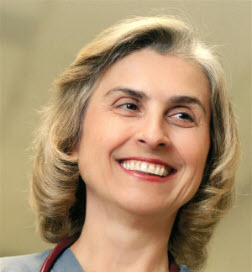
The Department of Anesthesiology is an independent department of the University of Colorado located at the Anschutz Medical Campus in Aurora. Our affiliate hospitals are the University of Colorado Hospital, Children's Hospital Colorado, Denver Health, Rocky Mountain Regional VA Medical Center, Highlands Ranch Hospital, and Cherry Creek Medical Center.
The Department of Anesthesiology is a world-class medical destination at the forefront of transformative education, science, medicine, and healthcare.
We have several clinical specialties including multidisciplinary anesthesia, obstetric anesthesia, critical care, cardiothoracic, transplant anesthesia, neuroanesthesia, regional and orthopedics, chronic pain, pre-procedure services as well as quality improvement.
We are a nationally recognized leader in anesthesiology and perioperative medical education. We are dedicated to developing leaders in anesthesiology and perioperative medicine who demonstrate clinical excellence, professionalism, and a commitment to life-long learning. By advancing education within our specialty, we continue to improve the lives of learners and patients in a complex and evolving world of medicine.
Our Anesthesiology Residency program provides extraordinarily in-depth and hands-on learning opportunities in both clinical and research areas for individuals seeking diverse and stimulating training.
As healthcare has become more concentrated, our department has increased the number of fellowships that we offer. Our ACGME-accredited fellowships include Pediatric Anesthesiology, Anesthesiology Critical Care Medicine, Cardiothoracic Anesthesiology, Obstetric Anesthesiology, Chronic Pain Medicine, and Pediatric Pain Medicine.
Our Non-ACGME fellowships include Liver Transplantation Anesthesia, Neuroanesthesia, Regional & Acute Pain Anesthesia, Congenital Cardiac Anesthesiology, Pediatric Regional Anesthesia and Acute Pain, Advanced Fellowship in Pediatric Perioperative Quality Improvement and Anesthesiology Research.
The University of Colorado Master of Science in Anesthesiology Program also offers students the highest caliber of training with our Anesthesiologist Assistant Program. This is a rigorous, 28-month program that challenges students to become excellent clinical providers to facilitate an avenue for increasing diversity in this program, the Department of Anesthesiology has established its first Diversity Scholarship as of 2018 to provide support to students that are traditionally underrepresented in health science graduate programs. We have also created a Global Health Anesthesia Program founded by one of our faculty, which has established a collaborative partnership and is helping to create sustainable changes, improve lives and exchanging best practices.
The Research Division of the Department of Anesthesiology conducts a broad range of clinical and basic science research. Our mission is to understand the mechanisms of neurological and heart disease, pain and anesthetic toxicity. We are primarily funded through grants from the National Institutes of Health and other non-profit foundations. Our mix of scientists and clinical anesthesiologists work together to address important clinical/translational research concerns.
I am proud to say we are 1 out of the 16 anesthesiology departments across the country who hold a NIH T32 Training Grant. Our program is a two-year training program set-up to help develop and enhance training for individuals who are interested in a career in research.
Our faculty have a resolve to create an exciting academic environment that will build upon what is already recognized as one of the finest residency programs in the country. We have recruited the highest caliber from top academic centers across the country to drive new programs in research and virtually every area of clinical care.
Whether your interests in our Department are to practice anesthesiology, perioperative care or pain medicine, do research, teach, be taught or even if you are one of our patients and want to know more about the care provided by our physicians, our website is a great place to start.
Our Vision
The University of Colorado Department of Anesthesiology is a nationally recognized leader in anesthesiology & perioperative medical education.
We are dedicated to developing leaders in anesthesiology and perioperative medicine who demonstrate clinical excellence, professionalism, and a commitment to life-long learning.
By advancing education within the specialty, the Department continues to improve the lives of learners and patients in a complex and evolving world of medicine.
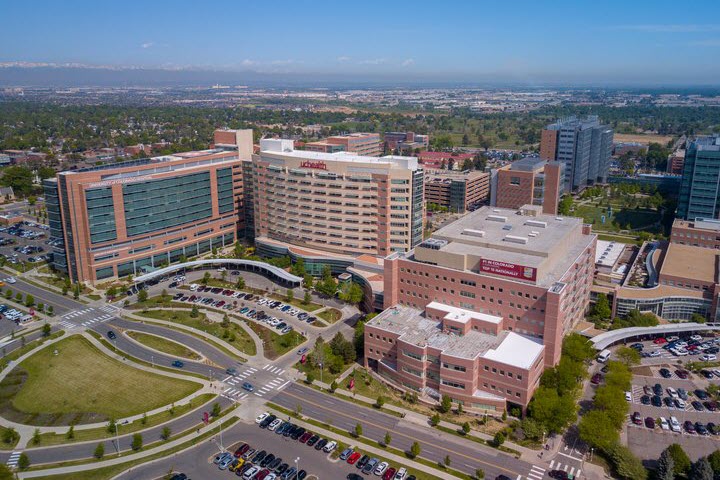
Clinical Care
Our clinical specialties include Acute Pain Service, Cardiothoracic, Chronic Pain Service, Critical Care, Liver Transplant, Neuroanesthesia, Obstetric Anesthesia, Outpatient service, Pediatric Anesthesia by Children's Hospital Colorado, and Trauma.
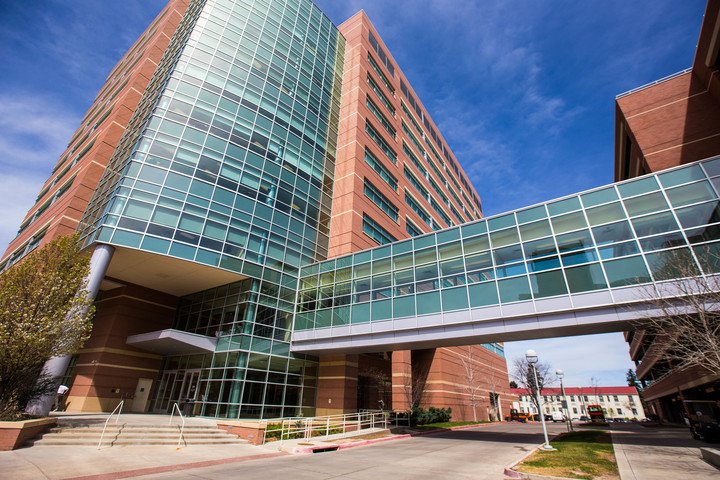
Research & Innovation
We conduct a broad range of clinical and basic science research. The mission of our research is to understand the mechanisms of neurological and heart disease, pain and anesthetic toxicity.
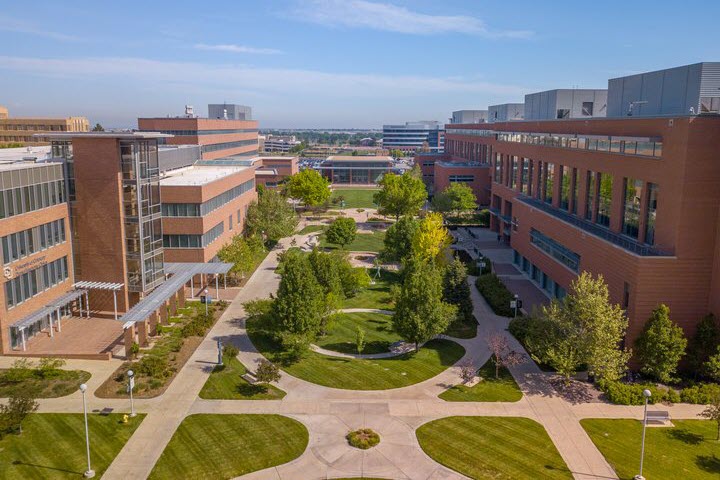
Education
We offer Residency training, Advanced Fellowship training, Post-doctoral Research Fellowships and an Anesthesiologist Assistant program. We also have resources for medical students rotating in our department and numerous continuing education programs.