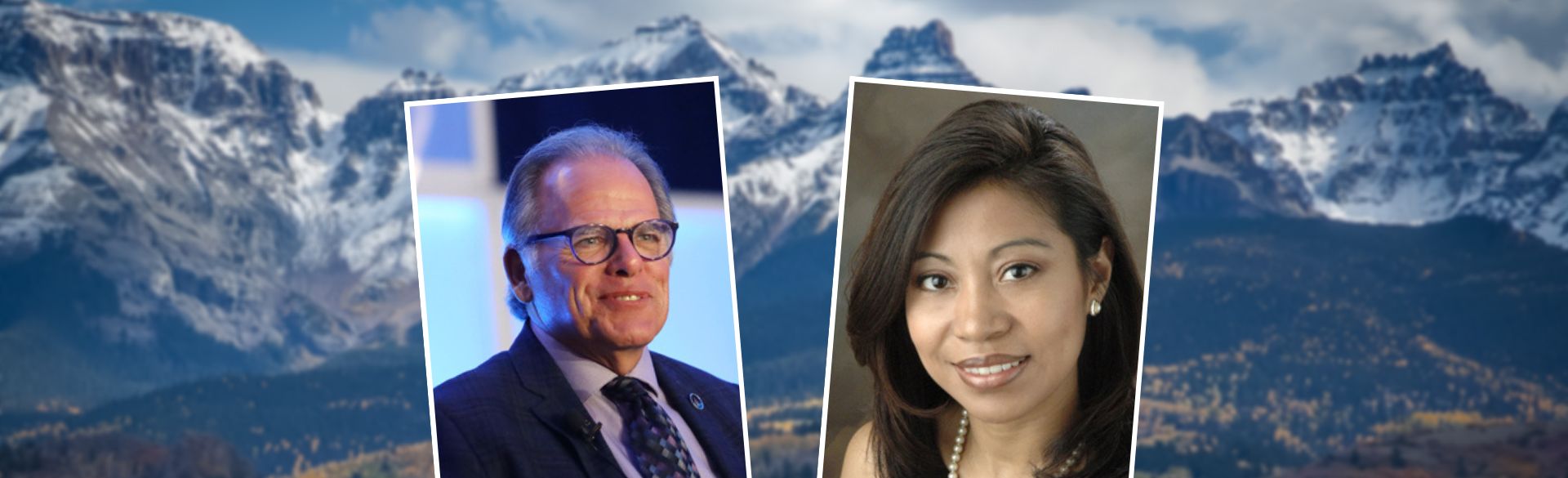


Terry Batliner, DDS
A recent Institute of Medicine report suggests that the
explicit inclusion of training and educational opportunities for racial/ethnic
minorities in investigator-initiated research is essential to the elimination
of health disparities. Yet despite recognition of the need to increase the pool
of minority investigators, their representation among NIH-funded investigators
remains low. For example, in 1999 the NIH supported 35,000 grants; among the
PIs, only 9 were AI/AN. In 2002, these disparities remained, with AI/ANs as PIs
of 53 RO1s (0.1% of total), 4 NIH Training Awards (0.2%), and 10 NIH Career
Awards (0.3%).
Mission
Provide training and career development opportunities in the
culturally appropriate investigation of AI/AN oral health issues, and increase
the number of AI/AN investigators through intensive mentorship within the
CAIANH and other educational and networking activities.
Specific Aims
- Establish and/or expand collaboration with
programs that currently offer training opportunities for health
professionals at various states of preparation;
- Enhance the capacity and commitment of these
programs for research to address oral health disparities; especially those
specific to AI/ANs;
- Increase the representation of AI/ANs among the
trainees in these CU instructional programs;
- Facilitate the support the transition of AI/AN
trainees through the career development pipeline; and
- Increase the number of AIAN investigators
capable of securing external sponsorship for oral health disparities research
in this special population.
Partnerships
The Training and Career Development program will work in
partnership with various levels of educational institutions (i.e., high school
schools, undergraduates, dental students, post-doctoral). We intend to maximize
opportunities for peer learning by ensuring that students at various stages in
their educational careers will have occasion to interact with students at other
levels.
Outreach
Dr. Batliner heads the Training and Career Development
program for CNOHR. He often speaks to AI high school and middle school children in Colorado and other states. Through involvement in the Denver AI community, he works with other around town to identify promising AI students interested in research.
Current Students
In response to the NIH/NIDCR Announcement of “ARRA” Recovery
Act funds for “Administrative Supplements Providing Summer Research Experience
for Students and Science Educators,” an administrative supplement was submitted
and approved which funded the support of two summer dental students at the
School of Dental Medicine (SDM) for 2009. The two summer dental students began
their assignments in early June. Later the center was able to bring on two more
students. Their biographies are shown
following:
Amanda Campbell is a Native woman of Cherokee and Yup’ik
(Alaska native) descent. Amanda worked as a student research assistant for
The Center for Native Oral Health Research (CNOHR). Amanda graduated from the Post-Baccalaureate
program at CU Denver in conjunction with the School of Dental Medicine. Amanda, a member of the Scholar-Athlete
Society while attending California Lutheran University, graduated Cum Laude
with a Bachelor of Science in Biology.
During her four years at California Lutheran University, Amanda played
collegiate soccer, while also becoming the head coach of a Junior Varsity
Soccer Team. Becoming involved in her
community, and becoming a leader has helped to pave the way for Amanda’s
future. She continues to work as a caregiver, providing services for adults and
children with a variety of special needs. Amanda will graduate from Dental School in 2013.
Amanda plans to be involved in research and serve underrepresented minorities
as a dental provider.
Kendra Velasquez, a female of Hispanic descent, grew up in
Los Lunas, New Mexico. She graduated
third in her high school class then went on to attend the New Mexico Institute
of Mining and Technology (NMT) on an academic scholarship. She graduated with High Honors, earning a
Bachelor of Science degree in Biology.
During her senior year, Kendra received the distinguished award of “NMT
Scholar” for making the honor roll every semester while attending the
university. During her years at NMT,
Kendra was an active member of the Biological Honor Society, Tri-Beta. She is the first in her family to earn a
Bachelors degree and attend graduate school.
Kendra was a student research assistant at the Center for
Native Oral Health Research (CNOHR). She
began attending the University of Colorado Denver School of Dental Medicine in
the Fall 2009. After completing dental school in May of 2013, Kendra hopes to give back to her
community by staying involved in research and moving back to New Mexico to
practice in underserved areas around the state.
In 2010 Joaquin Gallegos and Kimberly Lind joined the CNOHR
team as student workers.
Joaquin is from the Jicarilla Apache Nation and
the Pueblo of Santa Ana. He is currently a Public Health (BS) undergrad at the
University of Colorado Denver and works as a student research assistant at the
Center for Native Oral Health Research (CNOHR). He came to the Center by means of
American Indian Student Services of UCD. Upon completion of his undergraduate
degree Joaquin plans on continuing his journey of education in dental school. He has the strong desire to improve the lives of
his People and community by providing quality and culturally respectful
healthcare in a reservation or urban setting. He also wishes to be part of
health policy that deals with American Indians and Alaska Natives. Joaquin is
honored to be part of the oral health research projects and especially appreciates
working “in the field.” He has come to further understand the importance of
oral health and its relation to overall well being. Joaquin is also a delegate
to the United Nations Permanent Forum on Indigenous Issues, credentialed under
the Fourth World Center for the Study of Indigenous Law and Politics at
UCD. Joaquin, his sister Anjelica, and
their parents spend their time between Colorado and New Mexico and enjoy
family, spirituality, creating their artwork, film, and being involved in the
Native community.
Kimberly Lind grew up in Tucson, Arizona. Kimberly is
working as a graduate student research assistant for CNOHR. Kimberly just completed her Masters of Public Health degree and is starting a PhD in epidemiology in the fall. Kimberly graduated from the University of Arizona, Magna cum Laude,
with a Bachelor of Science, with a major in Psychology and a minor in Ecology
and Evolutionary Biology. During her time at the University of Arizona,
Kimberly worked for Arizona Research Laboratories (ARL) division of Neural
Systems, Memory and Aging at the Evelyn F McKnight Brain Institute. In her
senior year, she was a member of the research team recognized by the ARL Group
Excellence Award for Research. Her primary interest is in aging research, specifically
neurodegenerative disease and cognitive decline. More broadly, Kimberly is
interested in any research that has the potential to improve quality of life. Her long-term goal is to
contribute to the research and development of novel solutions to Public Health
issues that impact quality of life.