Sign In

University of Colorado Denver

​​​​​​​​​
 

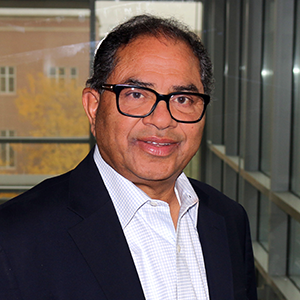
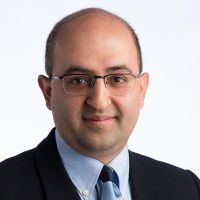
Rajesh Agarwal, PhD

Professor, Department of Pharmaceutical Sciences


Mailing address:

University of Colorado School of Pharmacy
Mail Stop C238
12850 E. Montview Blvd. V20-2118
Aurora, CO 80045

Office Location:

Pharmacy and Pharmaceutical Sciences Building (V20)
Second Floor
Room 2118

Lab Location:

Pharmacy and Pharmaceutical Sciences Building (V20)
Second Floor
Room 2430/2440

Contact:

Training and Education:

  • BS (1975)-Chemistry, Biology - Lucknow University, India
  • MS (1977)-Organic Chemistry - Lucknow University, India
  • PhD (1981) Bio-Organic Chemistry - Lucknow University, India

Research Interest:

  • Prevention and Therapy of cancer: Dietary and synthetic agents - cellular, biochemical and molecular mechanisms employing biochemical and molecular
    biological techniques.  Evaluation of cancer chemopreventive potential of dietary constituents employing several long-term animal tumor bioassay protocols, and short-term animal and cell culture assays.  Models include skin, prostate, colon, bladder, ovarian and lung cancers.
  • Mechanism of cancer prevention and therapy: Oncogenes and suppressor genes, cell cycle modulation, p53, cyclins, cyclin dependent kinases, cyclin dependent kinase inhibitors, apoptosis, and mitogenic and anti-apoptotic signaling pathways.
  • Carcinogenesis - causation and mechanistic studies employing enzyme bioassay and molecular biology approaches, cell culture technique and long-term animal tumor studies.

Representative Publications:

  • Varghese, L., Agarwal, C., Tyagi, A., Singh, R.P. and Agarwal, R.: Silibinin efficacy against human hepatocellular carcinoma. Clin. Cancer Res., 11: 8441-8448, 2005.
  • Deep, G., Singh, R.P., Agarwal, C., Kroll, D.J. and Agarwal, R.: Silymarin and silibinin cause G1 and G2-M cell cycle arrest via distinct circuitries in human prostate cancer PC3 cells: a comparison of flavanone silibinin with flavanolignan mixture silymarin. Oncogene, 25: 1053-1069, 2006.
  • Singh, R.P., Dhanalakshmi, S., Mohan, S., Agarwal, C. and Agarwal, R.: Silibinin inhibits UVB- and EGF-induced mitogenic and cell survival signaling involving AP-1 and NF-κB in mouse epidermal JB6 cells. Mol. Cancer Therapeutics, 5: 1145-1153, 2006.
  • Singh, R.P., Deep, G., Chittezhath, M., Kaur, M., Dwyer-Nield, L.D., Malkinson, A.M. and Agarwal, R.: Effect of silibinin on the growth and progression of primary lung tumors in mice. J. Natl. Cancer Inst., 98: 845-855, 2006.
  • Tyagi, A., Singh, R. P., Agarwal, C. and Agarwal, R.: Silibinin activates p53-caspase-2 pathway and causes caspase-mediated cleavage of cip1/p21 in apoptosis induction in bladder transitional-cell papilloma RT4 cells: an evidence for a regulatory loop between p53 and caspase-2. Carcinogenesis, Advance Access published online on June 15th, 2006

Keywords:

Cancer chemoprevention, phytochemicals, skin cancer, prostate cancer, silibinin, silymarin, grape seed extract, phytic acid, IP6.