Sign In
Colorado Genetics Laboratory Logo
 

Pediatric and Adult (Postnatal) Microarray


Chromosomal microarray (CMA) is a powerful cytogenomic tool for detecting subtle gains of DNA as small as 400 kb and losses of DNA as small as 200kb. CMA can detect abnormalities in known microdeletion and microduplication syndrome regions, as well as submicroscopic abnormalities that may be missed by standard and high resolution​ chromosome analysis.
 

Features of the 180K CMA

    • ​​High resolution array containing 180,000 oligonucleotide clones
    • Follows the International Standard Cytogenomic Arrays (ISCA) consortium guidelines for chip design
    • Clones are spaced ~16 kb along the backbone
    • Increased coverage in disease regions
    • Targeted coverage of 500+ disease genes, microdeletion/microduplication syndrome regions, and subtelomeres
    • Abnormalities detected at a resolution of 100-200 kb
    • Two different software platforms available for analysis to increase overall accuracy and for quality control
    • Confirmation studies, as well as parental FISH studies, performed on abnormal cases
    • All autism referrals cross-referenced with current autism databases for the most up-to-date copy number associations
 

Indications

A recently published consensus statement by ISCA recommends CMA should be the first tier test for individuals with developmental disabilities, intellectual disabilities, autism spectrum disorders, or multiple congenital anomalies. CMA testing is also indicated for individuals with seizures and other developmental problems for which a chromosomal basis is suspected.


Methodology

CMA involves extraction of the patient's DNA from peripheral blood white cells, labeling of the DNA, and hybridization to the CytoChip oligo microarray. A laser scanner detects the signal from the CMA slide, and interprets gains and losses relative to a normal control DNA using BlueFuse software. The CMA assay performs a comparison between the patient and control to confirm any gains or losses. Finally, FISH analysis is performed, if necessary, to confirm the abnormality detected.


Limitations

CMA will not detect balanced rearrangements (i.e., inversions, translocations) or very low level mosaicism. It will also not detect single gene mutations or single nucleotide mutations/polymorphisms. Abnormalities that are smaller than the resolution of the array also may not be detected.

If clinically relevant, common aneuploidies, such as Down syndrome or Trisomy 18, should be ruled out by chromosome analysis or fluorescence in situ hybridization before CMA testing is pursued.


Specimen Requirements

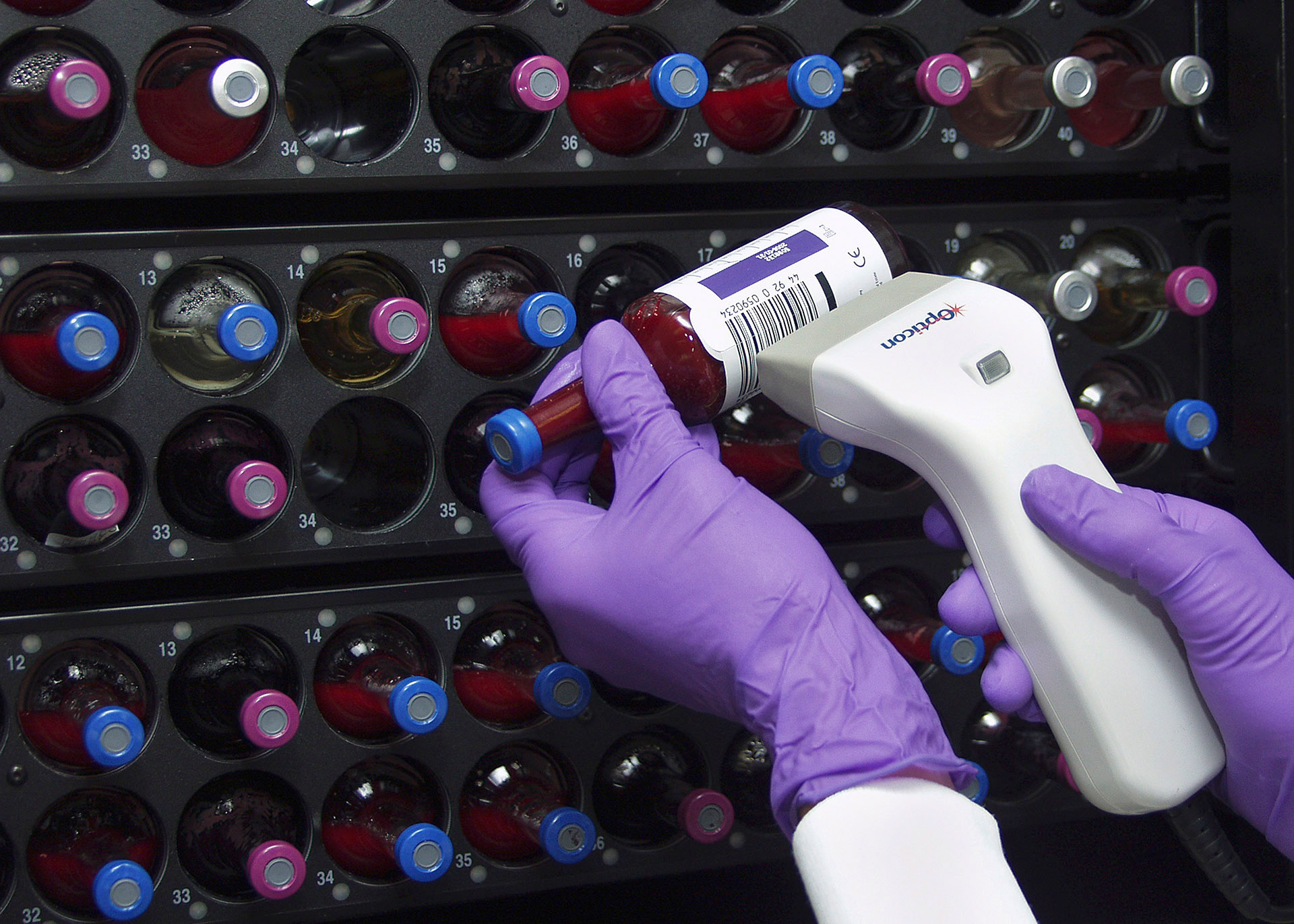
Peripheral blood

  • Submit peripheral blood in two tubes: a minimum of 2 ml in an EDTA purple top tube and a minimum of 3 ml in a sodium heparin green top tube.
  • When 5 ml of peripheral blood cannot be obtained (e.g., in babies), 3 ml peripheral blood in a sodium heparin, green top tube is acceptable.
  • Label specimen tubes with patient's name and a second identifier.
  • Hold specimen at room temperature and transport to the Colorado Genetics Laboratory as soon as possible.

Skin biopsy

  • Submit 3-4 mm2 skin biopsy sample.  Collect asceptically in sterile, plastic, screw-top tube filled with sterile transport media.
  • Label specimen tube(s) with patient's name and a second identifier.
  • Hold specimen at room temperature and transport to the Colorado Genetics Laboratory as soon as possible.  Refrigerate specimen if held overnight.


Samples must be accompanied by a completed Test Request Form.​​ Indicate chromosomal microarray testing, and include all pertinent medical and family history.​​