

Academics
Groundbreaking science. Next-level patient care. Global expertise in advancing healthcare. The CU Skaggs School of Pharmacy and Pharmaceutical Sciences is preparing students — from undergraduates to working professionals — for high levels of success. If you’re ready to break barriers and lead our industry, learn more about our programs here.

PharmD Program
The Doctor of Pharmacy (PharmD) degree is a four-year professional program that will prepare you for a variety of careers in the dynamic profession of pharmacy. From hospitals to pharmaceutical companies, we’ll prepare you to work in a variety of healthcare settings as a medication expert who makes a difference in the lives of patients.
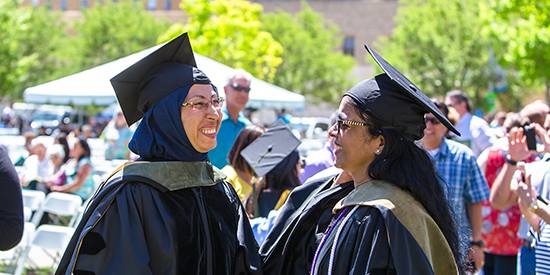
Online Programs
If you’re ready to advance your career, our online programs are for you. We offer academic PharmD programs for international and North American pharmacists who have already earned their bachelor’s degrees in pharmacy. Other career-boosting online offerings include a Master’s of Science degree in clinical pharmacy and a continuing education certificate in integrative health and medicine, as well as new opportunities in cannabis science and medicine.
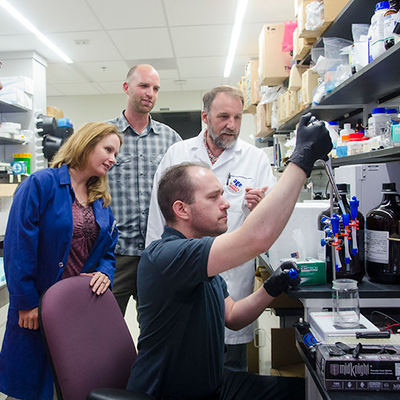
PhD Programs
Home to renowned scientists who have a reputation for making groundbreaking discoveries, CU Pharmacy is the ideal training ground to earn your PhD. Get ready to make life-changing advances. We offer PhD programs in three fields of study: pharmaceutical sciences, molecular toxicology, and pharmaceutical outcomes research.
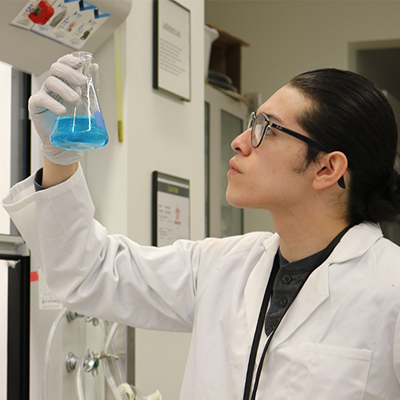
Master's Programs
Ready to advance your skills in the fields of clinical pharmacy or pharmaceutical sciences? Learn more about our Master of Science programs. The Master of Science in Clinical Pharmacy is a program for pharmacists who would like to advance their practice toward patient-centered care. The Master of Science in Pharmaceutical Sciences introduces students to cutting-edge approaches in drug development and application, and toxicology.

Dual Degree Programs
Set yourself apart by earning a dual degree. Students in the University of Colorado Skaggs School of Pharmacy and Pharmaceutical Sciences entry level PharmD program are welcome to apply to also pursue a Masters of Business Administration (MBA) or a Masters of Public Health (MPH) degree in addition to their PharmD degree.
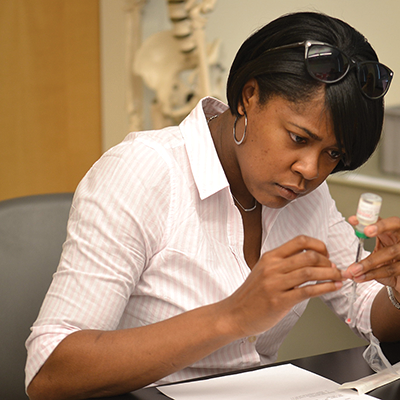
Graduate Certificates
From palliative care to cannabis science and medicine, our school is home to certificate programs that can help you advance your career. We offer three certificate programs: Cannabis Science and Medicine, Integrative Health and Medicine and Palliative Care. Join our experts to grow your skills as a scientist and healthcare provider.
Continuing Education
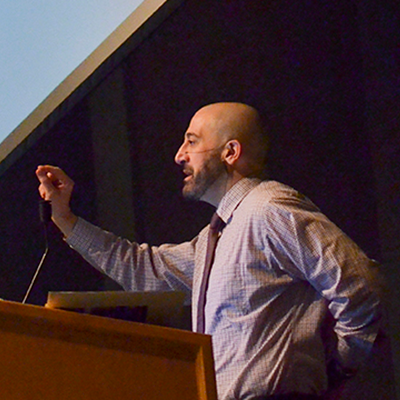
Ready to take your pharmacy career a step further? With our continuing education programs, you can expect to learn from top experts in trending health topics, from medical cannabis to integrative health and medicine. We offer live and online ACPE-accredited educational activities to pharmacists who live in Colorado and those who visit us online.
Residencies
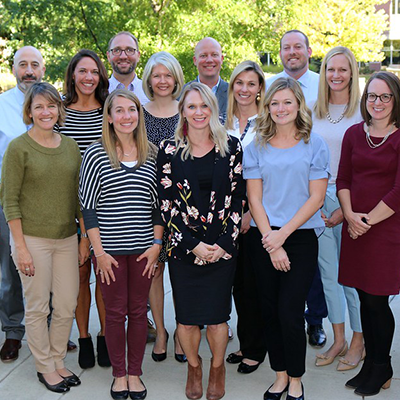
CU Pharmacy’s residencies are award-winning programs that can prepare you for the next level of your career. With postgraduate year one (PGY1) residency opportunities and postgraduate year two (PGY2) specialties in ambulatory care, oncology, critical care, infectious disease and emergency medicine, we prepare pharmacists for high levels of excellence.
Neurology Clinical Research Fellowship
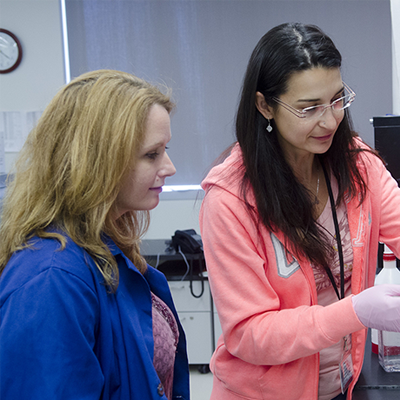
Join us for a rare training experience. Our Clinical Neurology Research Fellowship is the only fellowship in the United States that specifically focuses on research and clinical practice in the field of neurology.
Undergraduate Diversity Program
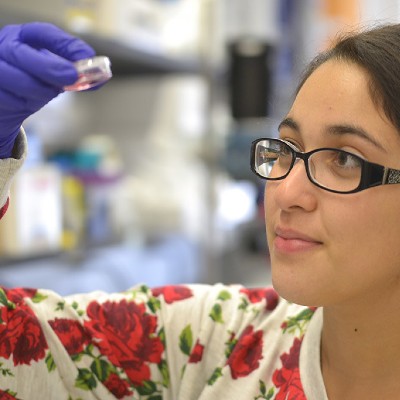
Are you an undergrad interested in environmental health sciences? Learn more about the Colorado Undergraduate Research in Environmental Health Sciences. The program is a paid year-long research and mentorship opportunity for undergrads who are majoring in science-related fields. We’re committed to training the next generation of scientists, including you.