

Shared Content Block:
directory-table class
Shared Content Block:
"Spread Out" style for numbered lists and bullet points
Welcome to Biochemistry and Molecular Genetics
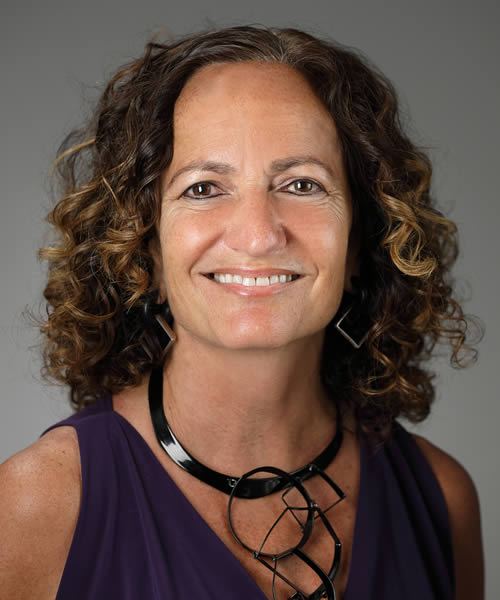
Julia Promisel Cooper, Chair
As biochemists and molecular geneticists, we are in the midst of an unprecedented time of discovery - our conception of the molecular biology of cells is going from the equivalent of grainy black-and-white to high-resolution technicolor. From deciphering the choreography of transcription complexes, chromosomes and RNA molecules within cells to developing novel approaches to 3D molecular structure determination to understanding how viruses hijack a cell’s machinery and alter its metabolome, the researchers in Biochemistry and Molecular Genetics (BMG) are at the forefronts of their fields both conceptually and technologically.
Maximal synergy and depth of thinking require an open, vibrant research environment in which people of all backgrounds thrive. We are passionately devoted to enhancing diversity and upholding uncompromised equity and anti-racism. These principles, along with the close proximity of BMG to other outstanding basic and clinical departments as well as several hospitals, vastly enhance our opportunities for collaboration and translation of paradigm-shifting basic discoveries to the clinic and beyond.
Research Areas
Highlighted Recent Publications
Nucleation and spreading maintain Polycomb domains every cell cycle
Giovana Veronezi & Ramachandran Lab – April 2024 – Cell Reports
Multiomics Signatures of Coagulopathy in a Polytrauma Swine Model Contrasted with Severe Multisystem Injured Patients
Ian LaCroix, Angelo D’Alessandro, & Hansen Lab - February 2024 - Journal of Proteome Research
Differential subcellular localization of ASPM RNA and protein
Hei-Yong Grant Lo, Matthew Taliaferro, & Taliaferro Lab - January 2024 - MicroPublication Biology
Synonymous codon usage regulates translation initiation
Chloe Barrington & Rissland Lab – December 2023 – Cell Reports
The role of midbody-associated mRNAs in regulating abscission
Katie Vaeth & Prekeris and Taliaferro Labs – December 2023 – Journal of Cell Biology
Small-molecule Ro-08-2750 interacts with many RNA-binding proteins and elicits MUSASHI2-independent phenotypes
Kathryn Walters & Mukherjee Lab – October 2023 - RNA
Compromised nonsense-mediated RNA decay results in truncated RNA-binding protein production upon DUX4 expression
Amy Campbell & Jagannathan Lab – June 2023 – Cell Reports
More Information
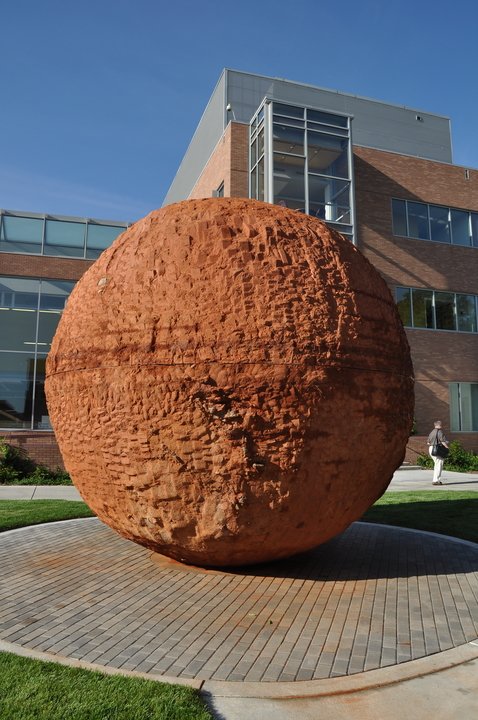
.jpg?sfvrsn=4edad9b9_0 "Outdoor sculpture fall")

-
BMG 2023-2024 Friday Research Talks – In-Person
| 03:00 PM - 04:00 PM
-
BMG Faculty Chalk Talk
| 12:00 PM - 01:00 PM
News Announcements
Congratulations to all recent faculty, postdoc, and graduate student awardees!
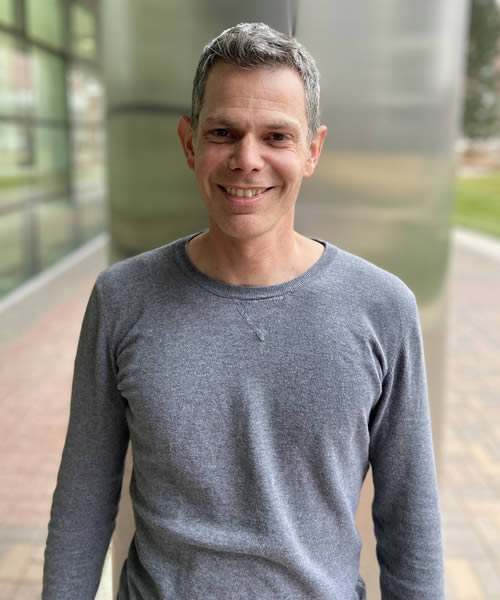 | Feb 2024 The first ever comprehensive book on NMR residual dipolar couplings “Residual Dipolar Couplings: Principles and Applications”, edited by Lishan Yao and Beat Vögeli, is out now! |
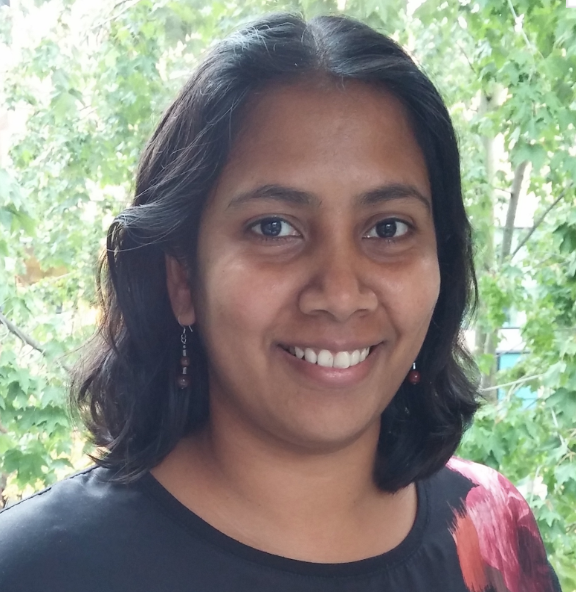 | Feb 2024 Suja Jagannathan has received an NSF CAREER award! |
 | Jan 2024 Rui Zhao has received a grant from the UCCC Wings of Hope! |
 | Jan 2024 Jay Hesselberth has received an award from the NSF! |
 | Jan 2024 Hongjin Zheng has received an NIH R01 award! |
 | Jan 2024 Elan Eisenmesser received an award from the NSF! |
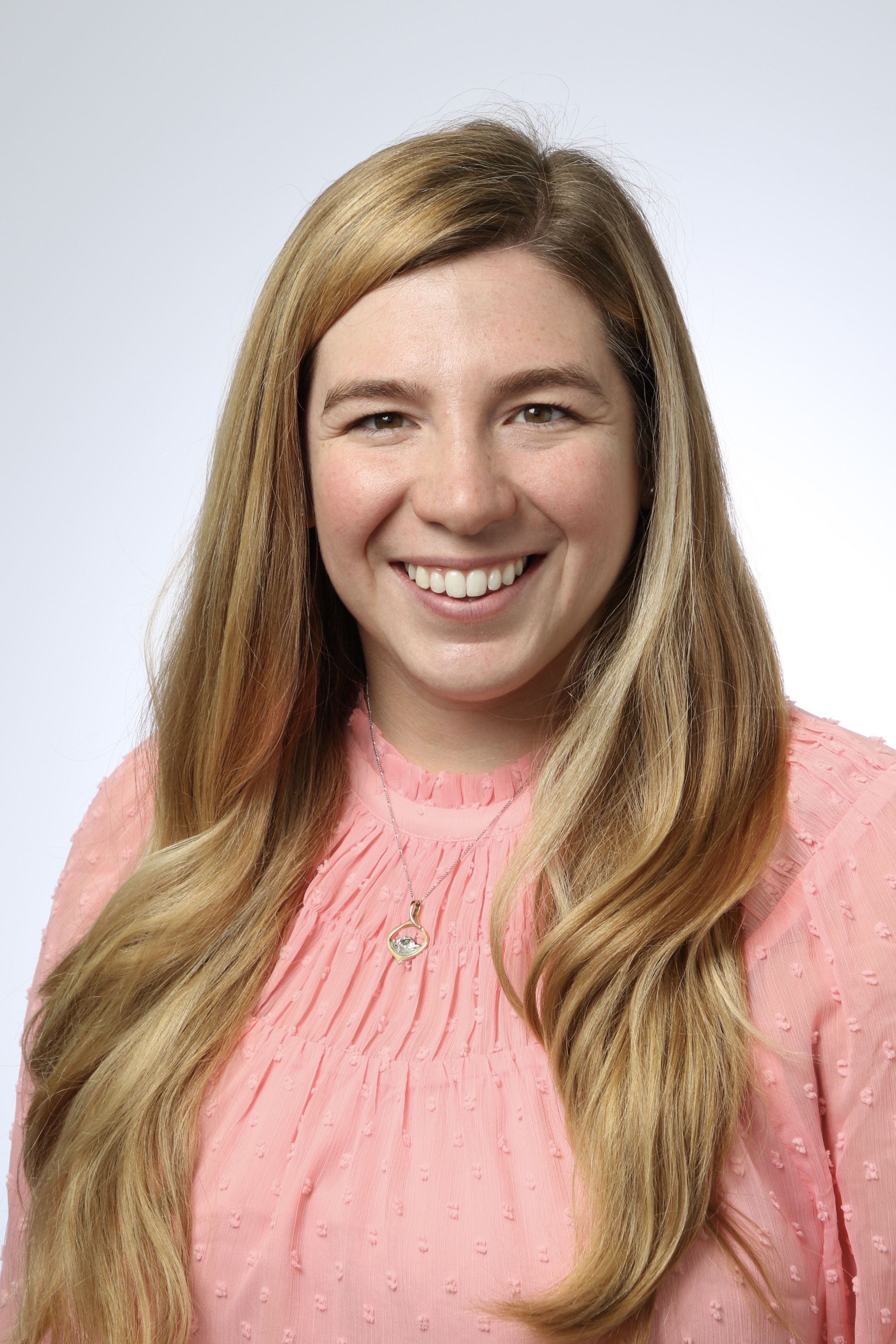 | Dec 2023 Francesca Cendali, D’Alessandro Lab, received the 2023 American Society of Hematology (ASH) Abstract Achievement Award recognizing trainees with highest scoring abstracts! |
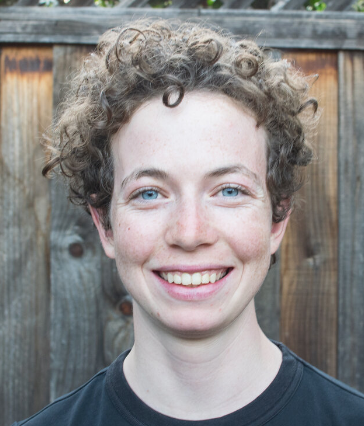 | Dec 2023 Charlie Moffatt, Taliaferro Lab, received an F31 fellowship from the NIH! |
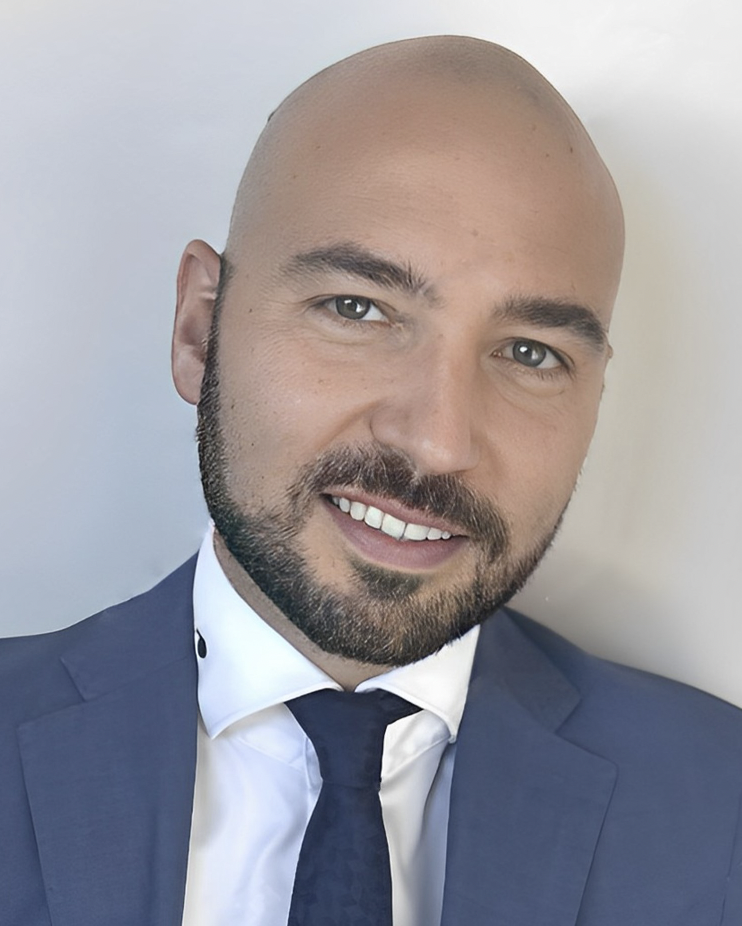 | Nov 2023 Angelo D’Alessandro and his lab have been highlighted in The Denver Post, 9News, and CUAnschutz today! |
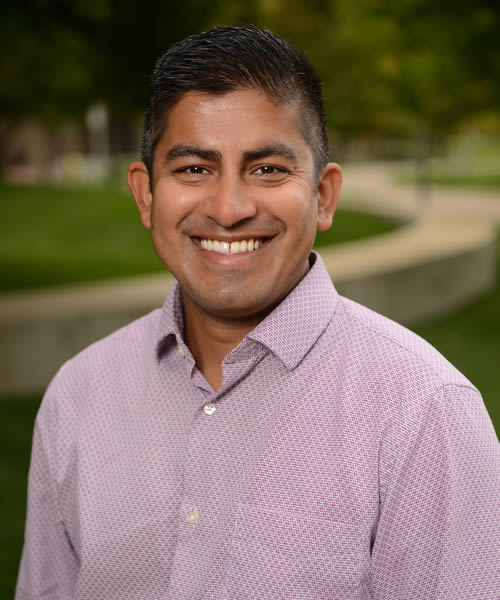 | Nov 2023 Neel Mukherjee received a Resource Development Pilot grant from the University of Colorado Cancer Center! |
| » More News |