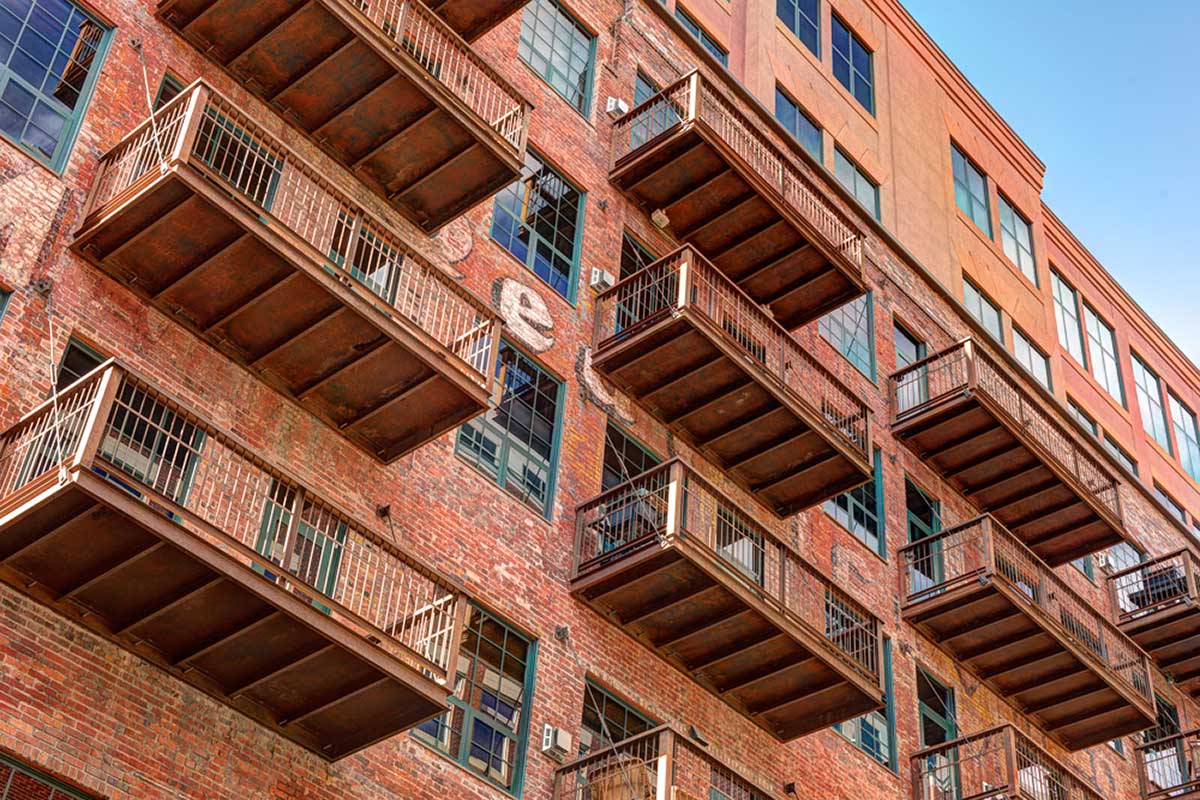
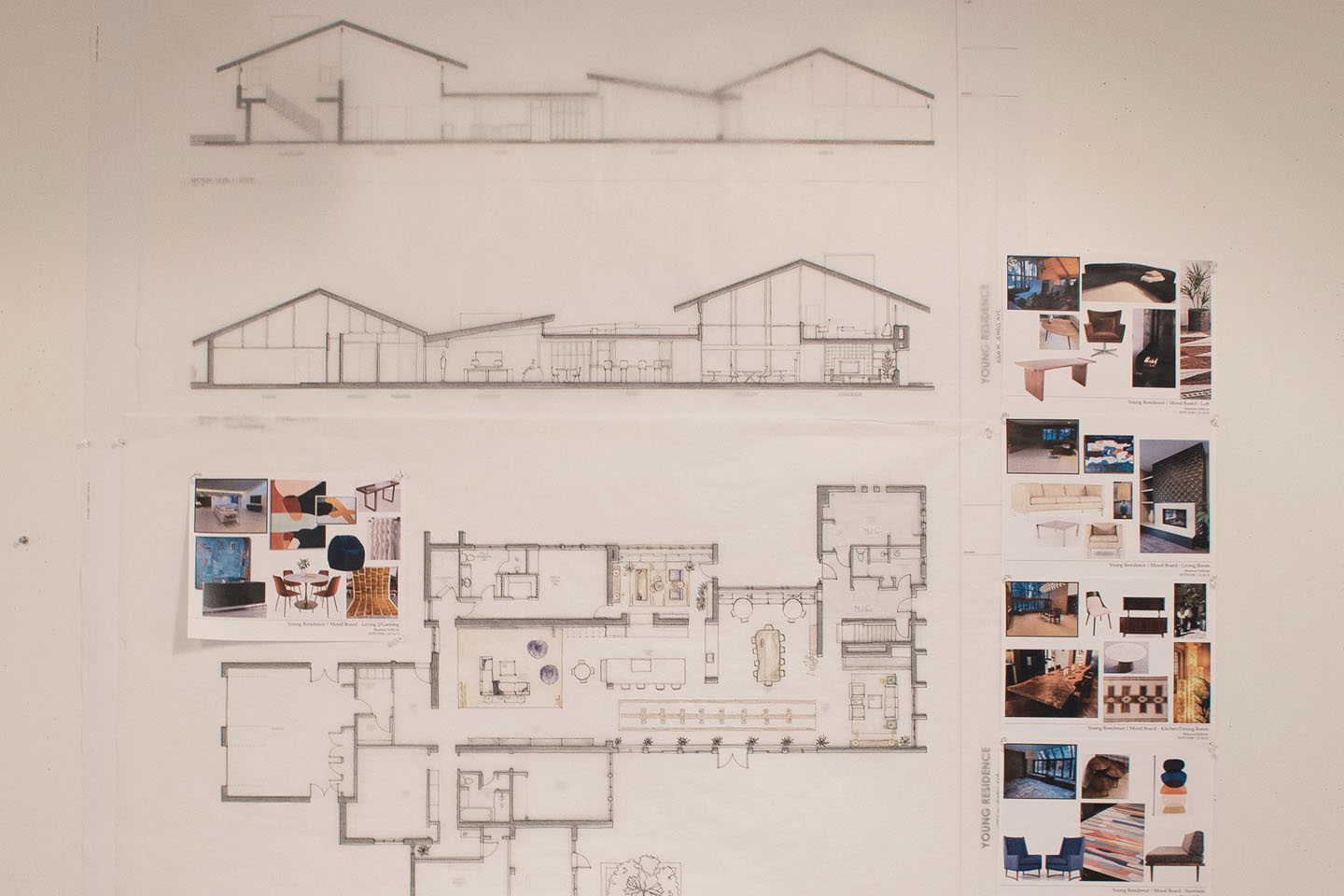
In a rapidly changing cultural, economic and professional environment, it is valuable to have an understanding of what is worth saving of the built environment. However, appreciation for the past alone is insufficient for making the informed and creative decisions expected and required of cutting-edge professionals. The desire to know can become the opportunity to lead. There is an increasingly urgent need in our professional community and in our society for the skills and knowledge that this effort requires and this degree offers.
During the current global economic downturn fewer resources are available for new buildings and we must adaptively reuse our existing structures. This trend will continue beyond short-term economic conditions, because it will always be a more sustainable practice to reuse existing buildings than to tear them down and harvest or manufacture new materials.
The College of Architecture and Planning, and the professional community that it serves, foresee a significant and permanent shift towards more adaptive reuse of existing buildings. The Master of Science in Historic Preservation is a program designed to prepare students for a true 21st Century career.
Historic preservationists come from a variety of backgrounds. Some are well-educated in the humanities and desire to increase their technical understanding. Those familiar with the social sciences might be seeking “real world” applications for their expertise. Many already with “first professional degrees” in design and planning disciplines, as well as the law and business, seek to deepen their competence in the vibrant and interesting professional niche of historic preservation.
Goals of the Program
• Provide training for graduate students whose interest is in historic preservation as a forward-looking, design-based field that provides cultural continuity, while seeking sustainable and creative solutions for our cultural resources and the built environment.
• Provide the College a market-responsive educational option to accommodate the changing needs and structure of the built environment professions.
• Facilitate an existing and evolving faculty (core and affiliate) in collaboratively achieving the highest quality and productivity in research, teaching and community engagement projects.
• Serve the community by promoting Historic Preservation as a means to build broad cross-cultural understanding. Be involved in local, national and international service and educational activities with stakeholders in academia, government and civil society.
• Mentor and encourage faculty to cross disciplinary boundaries in research, to be active in federal and non-federal grant getting, and to be entrepreneurial, looking to translate scholarship into improving people’s lives.
Student Learning Outcomes
Students are expected to be proficient or above in each of these areas by the time they graduate from the MSHP program.
- Understanding of the field of historic preservation in its several forms as: profession, civic engagement, and public policy.
- Ability to analyze a variety of complex heritage situations and formulate & address ensuing research problems.
- Understanding of management theory & skills appropriate to the several professional venues, e.g., consultancy, government, non-profit, commercial enterprise.
- Ability to communicate acquired expertise to diverse stakeholders.
- Understanding of the existing built environment and cultural landscapes with an emphasis on the United States and an introduction to global heritage and history.
- Ability to evaluate and supervise complementary professional activities such as:
a. cultural resource surveys,
b. historic register nominations,
c. resource assessments,
d. project plans, and
e. project implementation.